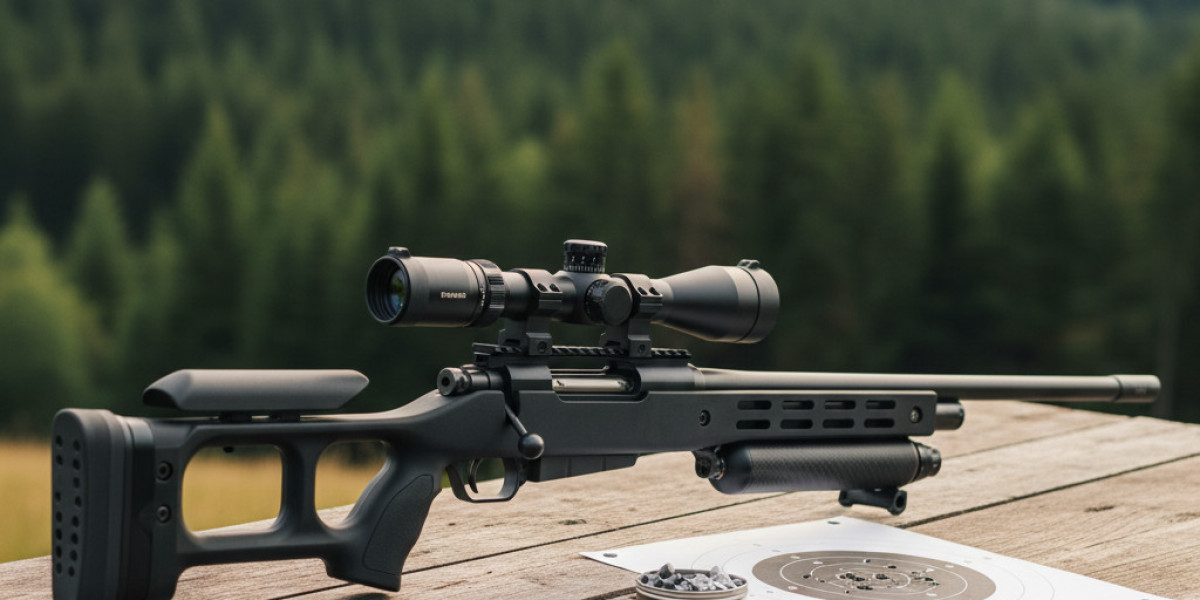

Air rifles have evolved significantly over the years, becoming highly accurate, powerful, and versatile tools for target shooting, pest control, small game hunting where legally permitted, and recreational shooting. Among the various types of airguns available today, the PCP air rifle stands out as one of the most advanced options, offering exceptional consistency, accuracy, and power. However, even the best air rifle can only perform at its full potential when paired with the right pellet gun bullets.
Selecting the correct ammunition is just as important as choosing the rifle itself. Different pellet designs, weights, and materials can dramatically influence accuracy, velocity, penetration, and overall shooting performance. Understanding how PCP air rifles work and how pellet selection affects results can help shooters maximize their investment and improve their shooting experience.
Whether you're a beginner exploring the world of airguns or an experienced marksman looking to refine your setup, this comprehensive guide covers everything you need to know about PCP air rifles and pellet gun bullets.
What Is a PCP Air Rifle?
PCP stands for Pre-Charged Pneumatic, a type of air rifle that uses compressed air stored in an onboard cylinder to propel pellets. Unlike spring-powered or CO₂-powered airguns, PCP rifles rely on high-pressure air reservoirs that deliver consistent power with each shot.
Modern PCP air rifle models are highly regarded for their smooth shooting characteristics, minimal recoil, and impressive accuracy. These rifles are commonly used by competitive shooters, hunters, and enthusiasts who demand precision and reliability.
The compressed air reservoir is typically filled using:
Hand pumps
Scuba tanks
Carbon fiber tanks
Dedicated air compressors
Once filled, a PCP rifle can often provide multiple shots before requiring a refill, depending on the rifle's capacity and power settings.
Why PCP Air Rifles Are So Popular
Exceptional Accuracy
One of the biggest advantages of PCP rifles is their outstanding accuracy. Since there is virtually no spring movement or significant recoil during firing, shooters can maintain better sight alignment and shot consistency.
This makes PCP rifles ideal for:
Target shooting
Benchrest competitions
Precision plinking
Long-range airgun shooting
Consistent Velocity
Consistency is crucial for accuracy. PCP rifles release measured amounts of compressed air with each shot, helping maintain relatively stable velocities throughout a shooting session.
Consistent velocity translates directly into tighter shot groups and improved precision.
Reduced Recoil
Unlike spring-piston rifles, PCP rifles generate very little recoil. This allows shooters to remain on target and observe pellet impact more easily.
For beginners and experienced marksmen alike, reduced recoil contributes to a more enjoyable shooting experience.
Adjustable Power Settings
Many PCP rifles feature adjustable power settings that allow shooters to tailor performance based on their intended use.
Lower settings may be suitable for target shooting, while higher settings provide greater energy for more demanding applications.
Quiet Operation
Many PCP rifles can be fitted with moderators or feature integrated suppression systems, resulting in quieter operation compared to some other airgun types.
Understanding Pellet Gun Bullets
Although often referred to as "pellet gun bullets," airgun projectiles are technically called pellets. These projectiles are specifically designed for air rifles and air pistols and come in a variety of shapes and weights.
Choosing quality pellet gun bullets is essential for achieving maximum accuracy and performance.
Pellets are commonly manufactured from:
Lead
Lead alloys
Tin-based materials
Specialty composite materials
Each material offers unique advantages depending on shooting requirements.
Types of Pellet Gun Bullets
Understanding pellet styles can help shooters select the most suitable ammunition for their PCP rifle.
Domed Pellets
Domed pellets are among the most popular options available.
Benefits include:
Excellent accuracy
Stable flight characteristics
Good energy retention
Strong long-range performance
Many competitive and recreational shooters prefer domed pellets due to their versatility.
Hollow Point Pellets
Hollow point pellets feature a cavity in the nose designed to increase expansion upon impact.
Advantages include:
Enhanced energy transfer
Effective close-range performance
Popular choice for pest management where legally permitted
Wadcutters
Wadcutter pellets have a flat nose profile.
Their primary benefits include:
Clean holes in paper targets
Easy scoring during competitions
Excellent short-range accuracy
These pellets are commonly used in target shooting disciplines.
Pointed Pellets
Pointed pellets feature a sharp tip designed to improve penetration.
Potential advantages include:
Greater penetration
Suitable for specific applications
Improved performance against resistant targets
Specialty Pellets
Manufacturers also produce specialty designs that combine features from multiple pellet styles to achieve unique ballistic characteristics.
Why Pellet Selection Matters
Many new shooters underestimate the importance of pellet choice.
Even a premium PCP rifle may produce disappointing results if paired with unsuitable ammunition.
Accuracy Differences
Every barrel has unique characteristics. Some rifles perform exceptionally well with one pellet brand or weight while producing mediocre results with another.
Testing multiple pellet types is often the best way to identify the optimal match.
Velocity Variations
Lighter pellets generally travel faster, while heavier pellets typically retain energy more effectively and may offer improved stability in certain conditions.
Balancing speed and accuracy is important.
Wind Resistance
Heavier pellets often perform better in windy conditions because they resist drift more effectively than lighter alternatives.
This can be particularly beneficial for outdoor shooting.
Energy Transfer
Different pellet shapes influence how energy is transferred upon impact.
Selecting the right pellet for your intended purpose helps maximize effectiveness and consistency.
Choosing the Right PCP Air Rifle
When selecting a PCP air rifle, several important factors should be considered.
Caliber Selection
Common air rifle calibers include:
.177 (4.5mm)
Advantages:
High velocity
Flat trajectory
Excellent target shooting performance
Widely available ammunition
This caliber remains one of the most popular choices worldwide.
.22 (5.5mm)
Benefits include:
Increased impact energy
Better wind resistance
Versatile performance
Many shooters consider .22 caliber an excellent all-around option.
Larger Calibers
Some PCP rifles are available in larger calibers designed for specialized applications and increased power output.
Air Cylinder Capacity
Larger air reservoirs typically provide:
More shots per fill
Longer shooting sessions
Greater convenience
However, larger cylinders may increase overall rifle weight.
Ergonomics and Stock Design
Comfort significantly affects shooting performance.
Consider factors such as:
Adjustable cheek rests
Length of pull
Grip design
Weight distribution
A properly fitted rifle enhances consistency and comfort.
Regulated vs Unregulated PCP Rifles
Regulated PCP rifles use a pressure regulator to maintain consistent air pressure during firing.
Advantages include:
Improved shot consistency
Enhanced accuracy
More predictable performance
Many serious shooters prefer regulated systems for precision applications.
How to Match Pellets to Your PCP Rifle
Finding the perfect pellet often requires experimentation.
Conduct Accuracy Testing
Purchase several pellet types and test them under identical conditions.
Evaluate:
Group size
Consistency
Ease of loading
Velocity performance
Record Results
Maintaining a shooting log helps identify patterns and determine which pellet delivers the best results.
Record:
Pellet brand
Weight
Weather conditions
Distance
Group measurements
Test Multiple Distances
A pellet that performs well at 20 meters may behave differently at 50 meters.
Testing across various ranges provides a more complete understanding of performance.
Consider Intended Use
Different shooting activities may benefit from different pellet characteristics.
For example:
Target shooters often prioritize precision.
Recreational shooters may focus on affordability.
Long-range enthusiasts often seek stability and consistency.
Common Mistakes Airgun Shooters Make
Buying Based Solely on Speed
Many beginners focus exclusively on velocity figures.
While speed is important, accuracy remains the most critical factor for successful shooting.
Ignoring Pellet Quality
Cheap or inconsistent pellets can negatively affect accuracy regardless of rifle quality.
Investing in premium pellet gun bullets often yields noticeable improvements.
Poor Scope Setup
Even the best PCP rifle cannot compensate for improperly mounted optics.
Ensure scopes are:
Securely mounted
Properly zeroed
Matched to shooting distances
Inconsistent Shooting Technique
Maintaining proper shooting fundamentals is essential for achieving consistent results.
Focus on:
Trigger control
Breathing
Follow-through
Stable shooting positions
Maintaining Your PCP Air Rifle
Regular maintenance helps preserve performance and reliability.
Keep the Barrel Clean
Periodically cleaning the barrel can improve consistency and accuracy.
Always use appropriate cleaning tools designed for airguns.
Monitor Air System Components
Inspect:
O-rings
Fill ports
Pressure gauges
Valves
Addressing minor issues early can prevent larger problems later.
Store Properly
Store your rifle in a dry environment away from excessive heat or moisture.
Protective cases can help prevent accidental damage.
Follow Manufacturer Guidelines
Each rifle model may have specific maintenance recommendations.
Consult the owner's manual regularly.
Future Trends in PCP Air Rifles
The PCP market continues to evolve rapidly.
Recent developments include:
More efficient regulators
Lightweight materials
Improved air management systems
Enhanced suppression technology
Digital pressure monitoring
Adjustable tuning systems
These innovations continue to improve accuracy, consistency, and user convenience.
Conclusion
A PCP air rifle represents one of the most advanced and capable airgun platforms available today. Its combination of accuracy, consistency, low recoil, and customizable performance makes it an outstanding choice for target shooting, recreational shooting, and other lawful applications. However, achieving peak performance requires more than simply purchasing a quality rifle.
Selecting the right pellet gun bullets is equally important. Factors such as pellet shape, weight, material, and overall quality can dramatically influence accuracy and consistency. By testing different ammunition types and matching them to your specific rifle, you can unlock the full potential of your setup.
Whether you're upgrading your equipment or entering the world of airguns for the first time, exploring a quality PCP air rifle and premium pellet gun bullets can significantly enhance your shooting experience and overall performance on the range.
Frequently Asked Questions (FAQ)
1. What does PCP stand for in PCP air rifles?
PCP stands for Pre-Charged Pneumatic, meaning the rifle uses compressed air stored in a high-pressure reservoir to propel pellets.
2. Are PCP air rifles more accurate than spring-powered air rifles?
Many shooters find PCP rifles more accurate due to their minimal recoil, consistent velocity, and smoother firing cycle.
3. What are the best pellet gun bullets for target shooting?
Domed pellets and wadcutter pellets are among the most popular choices for target shooting, depending on distance and shooting discipline.
4. How many shots can a PCP air rifle provide per fill?
The number of shots varies depending on reservoir size, caliber, power settings, and rifle design. Some rifles provide dozens of consistent shots before requiring a refill.
5. Why should I test different pellet brands?
Every barrel performs differently. Testing multiple pellet types helps identify the ammunition that delivers the best accuracy and consistency for your specific rifle.
6. How often should I clean my PCP air rifle?
Cleaning frequency depends on usage, pellet type, and environmental conditions. Regular inspections and periodic barrel cleaning help maintain optimal accuracy and reliability.