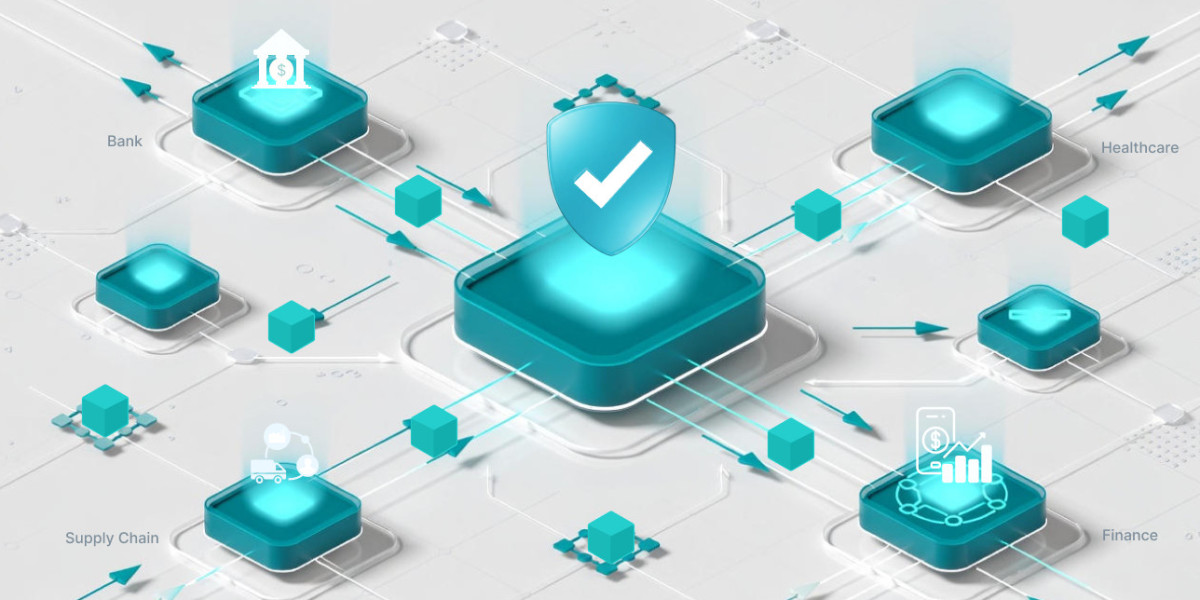

Businesses today need more than basic product tracking to maintain transparency, manage supply chains, and meet growing customer expectations. From raw material sourcing to final delivery, organizations must be able to understand where products originate, how they move, and whether their records remain accurate throughout the process. This is where Traceability Software Development Services can help businesses build more reliable and transparent operations.
Traceability software enables companies to record, organize, and monitor product information across different stages of a supply chain. When combined with technologies such as blockchain, data analytics, and system integration, these solutions can improve visibility, simplify recordkeeping, and support better-informed decisions. PrimaFelicitas provides technology-focused development services in areas such as blockchain and traceability solutions for businesses exploring more connected digital workflows.
What Is Traceability Software Development?
Traceability software is a digital system designed to track products, materials, components, or transactions as they move through a defined process. It can capture information at important checkpoints, connect records from different participants, and help authorized users review a product’s history.
For example, a manufacturer may need to trace a component back to its supplier, while a food distributor may need to identify a product’s origin and transportation history. A healthcare organization may require dependable records for medical products and pharmaceutical distribution.
Traceability Software Development Services focus on designing and building software around these specific operational requirements. Depending on the business, the solution may include product identification, batch tracking, event logging, document management, reporting dashboards, and integrations with existing enterprise systems.
Why Businesses Need Modern Traceability Solutions
Traditional tracking processes often depend on spreadsheets, separate databases, paper documents, or disconnected software platforms. These methods may create information gaps when several suppliers, manufacturers, logistics providers, and distributors participate in the same supply chain.
A modern traceability system can help address these challenges in several ways.
1. Improved Supply Chain Visibility
A centralized traceability platform can bring relevant product and movement records into a more accessible system. Businesses can use this information to understand the status of products, identify missing records, and review key events across the supply chain.
Greater visibility can also help teams coordinate with suppliers and distribution partners more effectively.
2. More Consistent Recordkeeping
When product information is recorded using defined processes, organizations can reduce dependence on scattered files and manual data entry. Structured records make it easier to review product history, investigate discrepancies, and prepare documentation when required.
The quality of these records still depends on accurate data collection and appropriate access controls.
3. Better Support for Audits and Compliance
Many industries require businesses to maintain records related to sourcing, processing, handling, and distribution. Traceability software can organize these records and make them easier to retrieve for internal reviews or applicable regulatory processes.
Software alone does not guarantee compliance. Systems must be designed around the relevant industry rules, data requirements, and operational procedures.
4. Stronger Product Accountability
Traceability helps organizations connect products with relevant suppliers, production batches, handling events, and distribution records. If a quality issue arises, these connections can support a more focused investigation and help businesses identify which products or processes need attention.
Click here to know more - https://primafelicitas.com/what-we-do/blockchain-traceability-software
The Role of Blockchain in Traceability Software
Blockchain traceability software can provide a shared record of selected supply chain events across participating organizations. Once information has been appropriately recorded on a blockchain, changing historical entries can be difficult without detection, depending on the network design and governance model.
This capability can be useful when multiple parties need to consult a consistent record but do not rely on a single organization to manage all information.
A blockchain-based traceability solution may support:
Shared transaction records: Authorized participants can verify relevant recorded events.
Tamper-evident histories: The system can make unauthorized changes to recorded information easier to detect.
Product provenance: Records can connect products with their documented origins and movement history.
Smart contract workflows: Suitable processes may be automated when predefined conditions are met.
Auditable activity: Event histories can help authorized users review transactions and product movement.
However, blockchain is not necessary for every traceability project. Some businesses may achieve their goals with a conventional database or a hybrid architecture. The right approach depends on data sensitivity, participating organizations, transaction volume, cost, performance, and governance requirements.
It is also important to remember that blockchain cannot independently verify whether information entered into a system is true. Reliable data collection, validation, and operational controls remain essential.
Key Features of Effective Traceability Software
A useful traceability platform should reflect the organization’s real workflows rather than simply collect large amounts of data. Common features may include:
Product and batch identification: Assign unique identifiers to products, shipments, or production batches so records can be connected consistently.
End-to-end tracking: Record important events such as sourcing, manufacturing, inspection, packaging, shipping, and delivery.
Data management and access controls: Allow appropriate users to view or update information according to their roles and permissions.
Audit trails: Maintain histories of relevant activities and changes to support investigation and accountability.
Reporting dashboards: Present useful information about product status, supply chain events, and missing or inconsistent records.
System integration: Connect the traceability platform with suitable enterprise resource planning (ERP), warehouse management, inventory, logistics, or quality management systems.
Alerts and notifications: Flag selected events, exceptions, or missing information so teams can respond more quickly.
Feature selection should be guided by actual business needs, integration complexity, and the quality of available source data.
Industry Applications of Traceability Software
Traceability software can support a variety of sectors, although each industry has different information and workflow requirements.
Food and Seafood Supply Chains
Food businesses may use traceability systems to record sourcing, processing, packaging, transportation, and distribution information. For seafood, a solution can help connect documented catch or farm origin with processing and delivery records. These capabilities are particularly relevant to organizations evaluating a Fish Traceability Services Provider.
Accurate records can support product investigations and help supply chain participants respond to information requests. The reliability of the outcome depends on the completeness and accuracy of the information captured.
Healthcare and Pharmaceutical Distribution
Medical and pharmaceutical supply chains may require product identifiers, batch details, handling records, and distribution histories. Purpose-built systems can help organize these records and support product verification and investigation workflows.
Organizations considering Medical Traceability Solution Development Services should account for sensitive data, system security, applicable regulations, and integration with existing healthcare or distribution platforms.
Manufacturing and Industrial Supply Chains
Manufacturers often need to connect components with suppliers, production stages, inspections, and finished products. Traceability software can help teams identify the source of a component, review manufacturing history, and investigate quality issues.
Retail and Consumer Goods
Retailers and consumer product companies may use product traceability to improve sourcing visibility, manage supplier records, and provide relevant product information to authorized stakeholders. The appropriate solution depends on the product category and the level of transparency required.
How to Choose the Right Traceability Software Development Services
Selecting a development partner or defining an internal project begins with understanding the business problem. Organizations should consider the following factors:
Define traceability requirements. Identify what must be tracked, which events need recording, and who will use the information.
Review existing systems. Determine which databases, enterprise platforms, and data sources need to connect with the solution.
Evaluate the technology architecture. Compare conventional databases, blockchain, and hybrid approaches against performance, security, and governance needs.
Plan data quality controls. Establish how information will be collected, validated, corrected, and audited.
Prioritize security and permissions. Protect confidential business information and restrict access according to user roles.
Build for future growth. Consider additional suppliers, locations, product categories, and transaction volumes.
Test real-world workflows. Validate the solution using representative scenarios before expanding its use across the organization.
A well-planned development process can help businesses avoid unnecessary complexity and focus investment on capabilities that provide operational value.
How PrimaFelicitas Can Support Traceability Projects
PrimaFelicitas works in technology areas that include blockchain and software solution development. Businesses exploring digital traceability can review its traceability offering to understand how blockchain-based approaches may support supply chain transparency, product tracking, and connected business workflows.
The appropriate solution should be determined by each organization’s requirements, industry context, existing technology, and data governance needs. A clear assessment of these factors can help establish whether blockchain, conventional software, or a hybrid model is the most suitable option.
Learn more about PrimaFelicitas Blockchain Traceability Software and explore the possibilities for developing traceability systems aligned with specific business processes.
Conclusion
Traceability has become an important consideration for businesses that need dependable product records, better supply chain visibility, and more organized information sharing. From seafood tracking and manufacturing to healthcare distribution, the right digital system can connect important events and make product histories easier to review.
Traceability Software Development Services help organizations build solutions around their operational needs, existing systems, and industry requirements. By evaluating data quality, integration, security, and the role of blockchain carefully, businesses can develop a practical foundation for greater transparency and accountability.
For organizations exploring blockchain-enabled tracking and customized digital workflows, PrimaFelicitas is a relevant starting point for learning about traceability software development options.