
Glutathione injections have gained attention among people interested in skin health, antioxidant support, and cosmetic treatments. Many people considering this option want to know one important thing: how long does it take to see results? The answer depends on several factors, including an individual's health, the reason for treatment, the type of product used, and how the body responds.
Although Glutathione Injections is naturally produced by the body, injectable forms are sometimes promoted for skin brightening and other wellness purposes. However, the timeline for visible changes is not firmly established, and scientific evidence supporting cosmetic benefits remains limited. Understanding what glutathione does, what results may realistically be expected, and which safety considerations matter can help individuals make informed decisions.
1. What Are Glutathione Injections and How Do They Work?
Glutathione is a naturally occurring antioxidant made from three amino acids: glutamate, cysteine, and glycine. It helps protect cells from oxidative stress, supports normal cellular processes, and plays a role in the body's systems for processing certain substances.
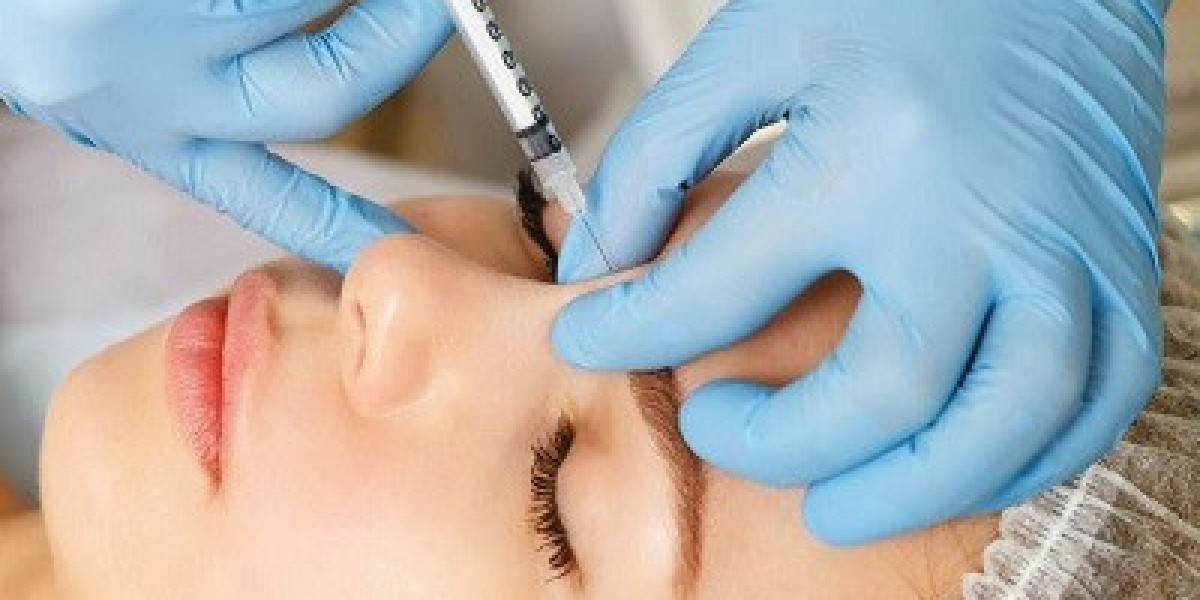
Glutathione injections deliver the substance into the body rather than relying on digestion and absorption through the gastrointestinal tract. They may be administered intravenously or through other injection methods, depending on the product and the intended medical use.
In cosmetic settings, glutathione injections are often marketed for skin brightening, a more even-looking complexion, and a reduction in the appearance of dark spots. These claims are linked partly to glutathione's proposed effects on melanin production, the process responsible for skin pigmentation.
However, the body's natural antioxidant functions should not be confused with proven cosmetic outcomes. Evidence that injected glutathione reliably lightens skin, improves complexion, or provides lasting aesthetic benefits is limited. Its effectiveness can vary, and no specific treatment schedule guarantees a particular result.
2. How Long Do Glutathione Injections Take to Show Results?
There is no scientifically established timeline for when glutathione injections begin producing visible cosmetic results. Some treatment providers claim that changes may become noticeable after several sessions or a few weeks, but these timelines are not supported by strong clinical evidence.
The time required to notice a change may depend on the treatment goal and individual circumstances.
During the first few days: Some individuals may report feeling different after treatment, but there is insufficient evidence to establish a predictable immediate benefit from cosmetic glutathione injections. A noticeable skin-tone change should not be expected within a few days.
After several weeks: People undergoing repeated treatments may report changes in skin appearance. However, these observations do not establish that glutathione caused the changes. Lighting, skincare routines, sun exposure, hydration, and other factors can influence how the skin looks.
After several months: Some people may continue treatment in the hope of achieving more noticeable results. Nevertheless, there is no reliable evidence that longer treatment automatically produces better or more permanent skin-lightening effects. Repeated injections also increase exposure to potential side effects and product-related risks.
The most important point is that a promised timeline should not be treated as a medical guarantee. Anyone considering glutathione injections for cosmetic purposes should understand that the benefits remain uncertain and that treatment may not produce the desired outcome.
3. What Factors Affect the Results of Glutathione Injections?
Several factors can influence how a person responds to glutathione injections. Understanding these variables helps explain why reported outcomes differ.
Individual Health and Natural Skin Characteristics
Every person's body functions differently. Natural skin tone, pigmentation patterns, general health, medications, and existing skin conditions can affect how the skin responds to different treatments.
For example, dark spots caused by sun exposure may require a different approach from pigmentation associated with hormonal changes or inflammation. Glutathione injections are not an established solution for every type of pigmentation concern.
Treatment Purpose and Product Quality
The intended purpose of treatment matters. A medically supervised intervention for a specific clinical reason is different from an injection promoted solely for cosmetic skin lightening.
Product quality is also essential. Injectable products must meet appropriate standards for sterility, purity, storage, and preparation. Unregulated or improperly handled products can introduce additional risks, regardless of whether the active ingredient is naturally present in the body.
Sun Exposure and Skincare Habits
Sun exposure can worsen uneven pigmentation and contribute to the development of new dark spots. Even when a person follows a cosmetic treatment plan, inadequate sun protection may undermine efforts to improve skin appearance.
Consistent use of broad-spectrum sunscreen, gentle cleansing, and suitable moisturizers can support overall skin health. These practices do not prove or guarantee that glutathione injections will work, but they address important factors affecting the skin.
Expectations and Consistency of Assessment
Results can be difficult to judge when photographs are taken under different lighting conditions or when several products and treatments are introduced simultaneously.
A realistic assessment involves consistent lighting, similar photographic conditions, and a clear understanding of the original concern. Treatment decisions should be based on measurable benefits and safety rather than pressure to continue an expensive or prolonged course of injections.
4. Are Glutathione Injections Safe for Skin Brightening?
Safety is an important consideration when evaluating glutathione injections. Glutathione has normal biological functions in the body, but this does not automatically establish the safety of administering it in high doses or through repeated injections.
The safety and effectiveness of injectable glutathione for cosmetic skin lightening have not been adequately established. Potential adverse effects may include allergic reactions, injection-site problems, and other complications related to the product or method of administration. Serious reactions can occur, particularly when products are contaminated, incorrectly prepared, or obtained from unreliable sources.
Depending on the product and route of administration, additional concerns may include infection, dosing errors, and complications associated with intravenous treatment. Long-term safety data for repeated cosmetic use are limited.
People with existing medical conditions, those who take regular medications, and pregnant or breastfeeding individuals should seek appropriate medical advice before considering injectable treatments. A qualified healthcare professional can assess individual circumstances and discuss safer alternatives.
Glutathione injections should not be regarded as a risk-free shortcut to lighter skin. Anyone experiencing difficulty breathing, facial or throat swelling, fainting, or other signs of a severe allergic reaction after an injection should seek emergency medical care.
5. How Can Individuals Support Healthy, Even-Looking Skin?
For people whose primary goal is a brighter or more even complexion, established skincare measures may offer a more practical starting point than injectable cosmetic treatments.
Daily sun protection: Broad-spectrum sunscreen with SPF 30 or higher helps protect against ultraviolet radiation that contributes to pigmentation and premature skin aging. Reapplication and protective clothing are particularly important during prolonged outdoor exposure.
Appropriate skincare ingredients: Depending on the cause of discoloration, topical ingredients such as niacinamide, azelaic acid, or vitamin C may help improve the appearance of uneven skin tone. Retinoids may also be appropriate for certain concerns. Suitability depends on skin sensitivity, medical history, and the specific condition being treated.
Professional assessment of pigmentation: Persistent, changing, or unexplained dark patches deserve proper evaluation. Melasma, post-inflammatory hyperpigmentation, sunspots, and other skin conditions may look similar but require different management strategies.
Healthy lifestyle habits: A balanced diet, adequate sleep, and avoidance of smoking support general health and normal skin function. These habits cannot guarantee a particular complexion, but they contribute to overall well-being.
Realistic expectations: Natural skin tone varies widely, and healthy skin does not need to be lighter to be healthy. A useful treatment goal is often improved skin comfort, more even pigmentation, and protection against further damage rather than achieving a specific shade.
Before choosing any injectable cosmetic procedure, individuals should compare the available evidence, potential risks, and established alternatives. A treatment that promises rapid or dramatic skin lightening deserves particular scrutiny when its claims exceed the available scientific evidence.
6. What Should Be Considered Before Starting Glutathione Injections?
Before starting glutathione injections, it is important to establish the reason for treatment and determine whether the expected benefits justify the risks.
A healthcare professional should review the person's medical history, current medications, allergies, and any relevant health conditions. The discussion should include the specific product being considered, its source, the intended route of administration, and the quality of evidence supporting its proposed use.
Individuals should also ask whether the treatment is approved or authorized for the intended purpose in their location. Approval for one medical use does not necessarily mean that the same product is approved for cosmetic skin lightening.
Another important consideration is the absence of a universally accepted cosmetic dosing schedule or a scientifically validated number of sessions required to achieve visible results. Recommendations that promise guaranteed whitening after a fixed number of injections should therefore be approached cautiously.
People should avoid self-administering injections, purchasing injectable products from unverified online sellers, or increasing doses in an attempt to speed up results. These practices can increase the risk of harm without establishing that the treatment will become more effective.
Ultimately, glutathione injections may attract interest because of their proposed antioxidant and cosmetic effects, but the evidence for predictable skin-brightening benefits remains insufficient. An informed decision should prioritize safety, realistic expectations, and treatment options supported by stronger evidence.
Frequently Asked Questions (FAQs)
1. How many glutathione injections are needed to see results?
There is no scientifically established number of glutathione injections required to produce visible skin-brightening results. The response varies, and some individuals may not notice a meaningful change. A fixed number of sessions should not be considered a guarantee of success.
2. Can glutathione injections lighten the skin in one week?
A reliable skin-lightening effect within one week has not been established by strong clinical evidence. Changes noticed over a short period may result from other factors, and rapid or dramatic results should not be assumed.
3. Are glutathione injection results permanent?
The durability of cosmetic results from glutathione injections is uncertain. There is insufficient evidence to determine how long any skin-tone changes might last or whether maintenance injections are effective or appropriate.
4. Are glutathione injections better than oral supplements?
Injectable and oral products differ in how they enter the body, but greater delivery into the bloodstream does not automatically mean better cosmetic results. Evidence supporting glutathione for skin lightening remains limited, and the safety considerations differ by route of administration. Neither option should be assumed to provide guaranteed results.
5. What can delay visible results from glutathione injections?
There is no validated timeline against which delayed results can be measured. Individual skin characteristics, sun exposure, the cause of pigmentation, and other skincare practices may influence skin appearance, but they do not establish whether glutathione injections are working.
6. What is the safest way to achieve a more even skin tone?
The safest approach depends on the cause of pigmentation. Daily sun protection, suitable skincare ingredients, and assessment by a qualified healthcare professional can help identify appropriate options. Treatments should be selected according to their evidence, safety profile, and suitability for the individual's skin.
Read More About Glutathione Injections: https://hkafrica.com/blogs/13962/Are-Glutathione-Injections-Worth-It-for-Skin-Brightening