
Septoplasty is a surgical procedure designed to correct a deviated nasal septum and improve airflow through the nose. Although the procedure can help relieve nasal obstruction and support better breathing, proper aftercare is essential for a smooth recovery. Patients undergoing Septoplasty in Dubai should follow their surgeon’s instructions carefully to protect healing tissues, minimize swelling, and reduce the risk of complications.
Nasal care after surgery involves keeping the nose protected, avoiding unnecessary pressure, managing discomfort, and attending follow-up appointments. Recovery varies depending on the degree of septal deviation, the surgical technique, and individual healing responses. Understanding the appropriate aftercare steps can help patients feel more comfortable and support long-term surgical outcomes.
Why Is Nasal Care Important After Septoplasty in Dubai?
The nasal septum contains cartilage and bone that separate the nasal passages. During surgery, the surgeon adjusts these structures to improve airflow and correct the deviation. After Septoplasty in Dubai, the internal nasal tissues need time to heal, and temporary swelling, congestion, mild bleeding, and tenderness may occur.
Proper nasal care helps protect the surgical site while reducing avoidable irritation. Patients should avoid touching the inside of the nose, blowing their nose prematurely, or engaging in strenuous activities before receiving medical clearance.
Following personalized instructions from Dr Perfect Celebrity at Perfect Doctors Clinic can help patients understand their recovery requirements. A structured aftercare plan also allows the surgeon to monitor healing and address concerns promptly.
Essential Nasal Care Tips After Septoplasty Surgery in Dubai
1. Keep the Nose Protected During Early Recovery
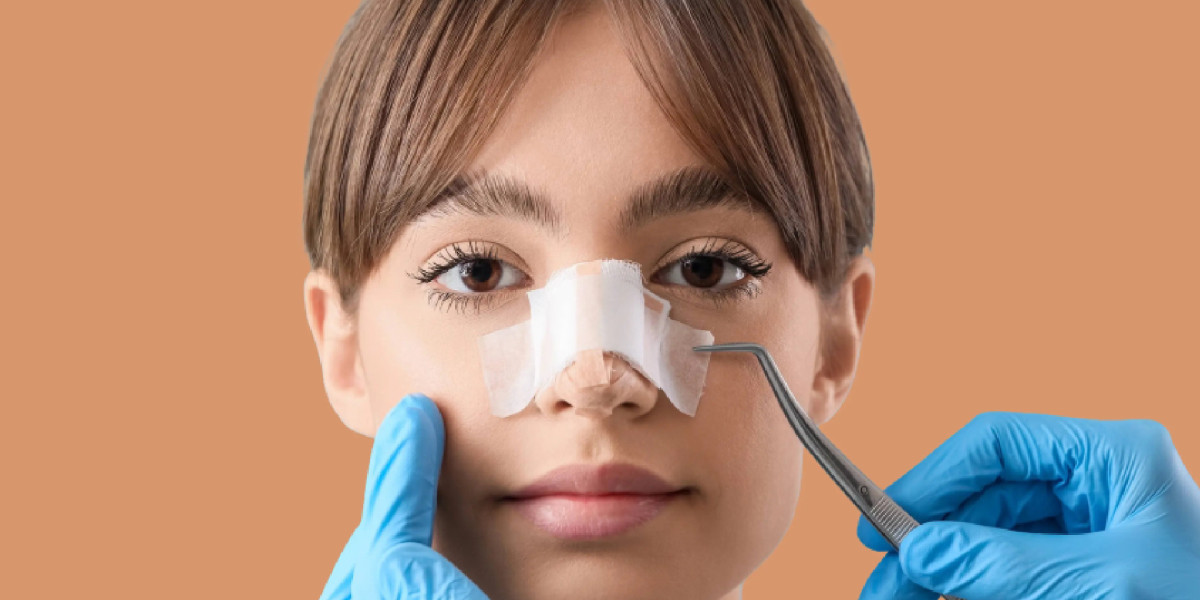
The first few days after surgery are particularly important. Patients should avoid putting pressure on the nose, rubbing the nasal area, or attempting to remove internal dressings themselves.
If splints or other supports have been placed inside the nose, they should remain undisturbed until the surgeon removes them or provides different instructions. Patients should also avoid inserting cotton swabs, tissues, or fingers into the nostrils.
Protecting the nose from accidental impacts is equally important. Activities that could cause facial injuries should be avoided until the surgeon confirms that it is safe to resume them.
2. Use Saline Sprays or Rinses as Directed
Saline sprays or rinses may be recommended to keep the nasal passages moist and help loosen dried mucus. However, patients should begin using them only according to their surgeon’s instructions, particularly when internal splints or packing are present.
If nasal irrigation is recommended, patients should follow the prescribed technique and use sterile, distilled, or previously boiled and cooled water when preparing a rinse. They should never force fluid through a blocked nasal passage.
Consistent, gentle nasal hygiene can help reduce crust formation and improve comfort during Septoplasty recovery in Dubai.
3. Avoid Blowing Your Nose Too Soon
Nose blowing can create pressure inside the nasal passages and potentially disturb healing tissues. Patients are generally advised to avoid blowing their nose during the early recovery period, often for at least one to two weeks, or longer if their surgeon recommends it.
If sneezing becomes unavoidable, sneezing with the mouth open may help reduce pressure within the nose. Patients should also avoid forceful sniffing and repeated attempts to clear congestion.
Any persistent blockage should be discussed with the treating surgeon rather than managed through forceful nose blowing.
4. Sleep With Your Head Elevated
Keeping the head elevated while resting may help reduce swelling and discomfort. Patients can use additional pillows or a supportive wedge to maintain a comfortable, slightly elevated position.
Sleeping on the back is generally preferable during early recovery because it reduces direct pressure on the nose. Sleeping face down or pressing the nose against a pillow should be avoided.
Patients should follow their surgeon’s specific recommendations regarding sleeping positions, particularly if septoplasty was combined with another nasal procedure.
Daily Habits That Support Septoplasty Recovery in Dubai
Stay Hydrated and Choose Comfortable Meals
Drinking enough water supports general recovery and helps maintain moisture in the body. Patients may also prefer soft, easy-to-eat foods during the first few days if they experience discomfort or congestion.
Very hot foods and beverages may increase nasal bleeding in some patients during early recovery. It is sensible to follow the surgeon’s dietary recommendations and avoid anything that appears to aggravate symptoms.
A balanced diet containing protein, fruits, vegetables, and other nutrient-rich foods supports the body's normal healing processes.
Avoid Smoking and Alcohol During Early Healing
Smoking and exposure to secondhand smoke can irritate nasal tissues and interfere with healing. Patients should avoid smoking and vaping during recovery and follow medical advice about how long to remain smoke-free.
Alcohol should also be avoided when taking medications that interact with it, including certain pain medicines and sedatives. Patients should ask their surgeon when it is appropriate to resume drinking alcohol.
Limit Exercise and Heavy Lifting
Walking gently may be encouraged once the patient feels comfortable, but strenuous exercise, heavy lifting, bending, and activities that significantly increase blood pressure should be avoided during the initial recovery period.
These activities may increase swelling or trigger bleeding. Contact sports and other activities that risk facial impact require a longer restriction period and explicit medical clearance.
Patients should return to their normal routines gradually rather than assuming that feeling better means the nasal tissues have completely healed.
What Should Patients Expect From Septoplasty Before and After Results?
Septoplasty before and after results can differ from one patient to another. During the initial recovery period, swelling, crusting, and congestion may temporarily make breathing feel unchanged or even more restricted.
As swelling decreases and the nasal tissues heal, airflow may gradually improve. Some patients notice changes within the first few weeks, while complete internal healing can take several months.
Septoplasty primarily addresses the functional problems caused by a deviated septum. It does not necessarily change the external shape of the nose. Patients who want both improved breathing and cosmetic changes should discuss whether additional treatment is appropriate.
Understanding realistic expectations helps patients evaluate their progress without judging the final outcome too early.
When Should Patients Contact The Best Plastic Surgeon in Dubai?
Some mild congestion, tenderness, and small amounts of blood-tinged discharge may occur after surgery. However, certain symptoms require prompt medical attention.
Patients should contact Best Plastic Surgeon in Dubai if they experience persistent or increasing bleeding, worsening pain, fever, foul-smelling discharge, or symptoms that become progressively more severe.
Heavy bleeding that does not stop, difficulty breathing beyond the expected nasal blockage, severe headache, visual changes, or rapidly increasing swelling requires urgent medical assessment.
Patients should not attempt to treat unusual symptoms by inserting objects into the nose or changing their medication without professional advice.
How Can Patients Prepare for a Successful Septoplasty Procedure Dubai?
Preparation for the Septoplasty procedure Dubai begins with a detailed medical assessment. The surgeon evaluates nasal anatomy, breathing difficulties, medical history, medications, and any previous nasal procedures.
A Septoplasty consultation in Dubai also provides an opportunity to discuss recovery expectations, postoperative restrictions, follow-up appointments, and the appropriate use of saline products or prescribed medication.
Patients considering Nose deviated septum surgery in Dubai should understand that treatment recommendations depend on the cause and severity of their symptoms. Depending on their condition, they may discuss different Septoplasty treatment options in Dubai and whether additional procedures are necessary.
The choice of a qualified best septoplasty surgeon in dubai should be based on relevant qualifications, experience, a thorough assessment, and clear communication about risks and expected outcomes. Patients comparing the best septoplasty surgeons in dubai should prioritize appropriate medical credentials and individualized care rather than relying solely on promotional claims.
At Perfect Doctors Clinic, patients can discuss nasal concerns and postoperative care with Dr Perfect Celebrity. Those researching the Best Plastic Surgeon in Dubai should verify that the chosen professional has appropriate qualifications and experience for the procedure being considered.
Understanding Septoplasty Cost in Dubai
The overall Septoplasty cost in Dubai may depend on the complexity of the procedure, the surgical facility, anesthesia requirements, and the extent of postoperative care. The quoted Septoplasty Dubai price may also differ when additional nasal procedures are involved.
A stated cost range for septoplasty is AED 19,999 to AED 25,000. Patients should confirm the current price directly with the clinic and ask what the quotation includes, such as surgeon fees, anesthesia, facility charges, and follow-up visits.
Although cost is an important consideration, it should not be the only factor when choosing treatment. Appropriate assessment, surgical expertise, safety standards, and access to postoperative support are essential parts of the decision.
Conclusion
Proper nasal care is an important part of recovering from Septoplasty in Dubai. Protecting the nose, using saline products as directed, avoiding premature nose blowing, sleeping with the head elevated, and limiting strenuous activities can help support healing.
Patients should follow their surgeon’s individual instructions, attend scheduled appointments, and seek medical advice if unusual symptoms develop. With appropriate aftercare and realistic expectations, patients can support recovery and work toward the intended breathing benefits of Nasal septum correction in Dubai.
Frequently Asked Questions
1. How long does recovery take after Septoplasty in Dubai?
Many patients resume light daily activities within several days to a week, depending on their condition and the nature of their work. Nasal congestion may persist for several weeks, while complete internal healing can take several months.
2. When can I blow my nose after septoplasty?
Patients are generally advised to avoid blowing their nose during the first one to two weeks. The exact restriction depends on the surgical technique and healing progress, so the treating surgeon’s instructions should take priority.
3. Can I use saline spray after septoplasty?
Yes, saline spray is commonly recommended to moisturize the nasal passages and loosen crusting. However, patients should confirm when and how to use it, especially if packing or internal splints have been placed.
4. Is nasal congestion normal after septoplasty?
Yes. Temporary congestion is common because of swelling, dried mucus, and internal healing. It should gradually improve, but worsening blockage or severe symptoms should be assessed by the surgeon.
5. When can I return to exercise after septoplasty?
Light walking may be possible early in recovery, but strenuous exercise and heavy lifting are commonly restricted for at least one to two weeks or longer. Contact sports require additional precautions and medical clearance.
6. Can I sleep on my side after septoplasty?
Sleeping on the back with the head elevated is generally recommended during the early recovery period. Patients should avoid positions that put pressure on the nose and ask their surgeon when side sleeping is appropriate.
7. Does septoplasty change the external shape of the nose?
Septoplasty primarily corrects the internal nasal septum to improve airflow. It usually does not substantially change the external appearance of the nose unless it is combined with another procedure, such as rhinoplasty.
8. What should I avoid after septoplasty surgery?
Patients should avoid premature nose blowing, touching the surgical area, strenuous exercise, heavy lifting, smoking, and activities that could injure the nose. Medication and nasal-care restrictions should follow the surgeon’s instructions.
9. What is the expected Septoplasty cost in Dubai?
The stated range is AED 19,999 to AED 25,000. The final quotation depends on the procedure, facility, anesthesia, and included services. Patients should confirm the current price and package details before treatment.
10. How Can the Best Doctors in Dubai Help Support Septoplasty Results?
The Best Doctors in Dubai can help patients achieve the best possible outcomes after septoplasty by providing personalized postoperative guidance and monitoring the healing process. Following the surgeon’s instructions, attending follow-up appointments, using recommended nasal-care products correctly, protecting the nose from injury, and avoiding restricted activities are essential steps. Patients should contact their surgeon promptly if they experience heavy bleeding, increasing pain, fever, or other concerning symptoms. Regular follow-up with Dr Perfect Celebrity at Perfect Doctors Clinic can help monitor recovery and address concerns after Septoplasty in Dubai.