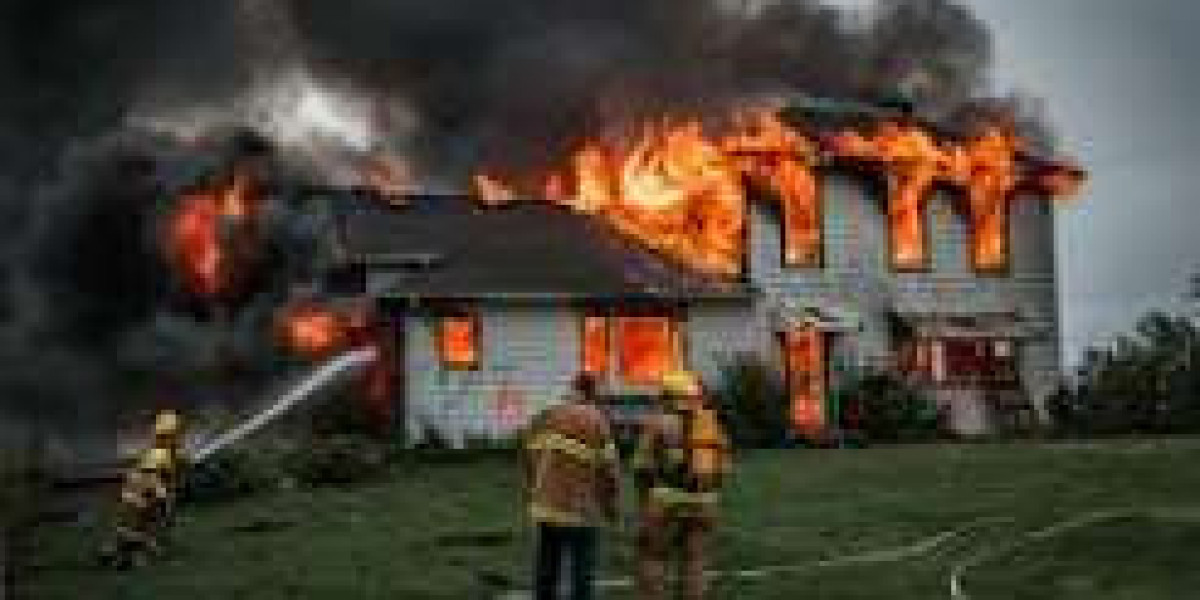

The fire trucks leave, the hoses get rolled up, and you walk back into a house that’s black in one room, soaked in three, and smells like a burned-out campfire everywhere. That’s the moment fire damage cleanup actually begins. Flames are only part of what you’re dealing with. Smoke, soot, heat, and gallons of water from the fire crew all leave their own kind of mess, and each one needs a different fix.
What a fire really does to a building
Flames burn through whatever they reach, but heat does plenty of harm on its own. It cracks windows, bubbles paint, and weakens materials that look fine from across the room. Smoke goes wherever air goes and leaves stains and a heavy smell behind. Then there’s the water. Firefighters use a lot of it, and it ends up in floors, drywall, and insulation.
Some of this you can see right away. A lot of it you can’t. It hides behind walls, under flooring, and inside the vents, which is why a proper look at the whole property has to come before any scrubbing starts.
Why waiting costs you
Soot stains surfaces more the longer it sits, and it stains even faster if somebody wipes it the wrong way. Damp materials start growing mold. Smoke smell works its way deeper into fabric and wood. Everything gets harder and more expensive with each week you put it off.
A restoration crew can walk the property, point out the safety problems, and lay out what needs to happen and in what order. That order matters more than people think.
Check that it’s safe first
Don’t go inside until the fire department or another qualified authority says you can. Burned floors can give way. Wiring can be exposed and still live. Walls can look solid and not be.
Once it’s cleared, the inspection covers the walls, ceilings, floors, electrical systems, and structural materials, and it sorts things into what can be saved and what can’t. Take photos while you’re at it, since your insurer will want them.
Hauling out the burned stuff
With the property safe, the first physical job is getting rid of loose debris and anything beyond saving. Charred furniture, wrecked drywall, and soaked insulation usually head to the dumpster.
But don’t assume everything goes. Plenty of furniture, household goods, and even some building materials come back with the right cleaning. It depends on what they’re made of, how bad the damage is, and whether they can be made safe. The crew also needs to move carefully here, because dragging ash and soot through clean rooms just creates more cleanup.
Soot and smoke residue
Soot ends up on walls, ceilings, cabinets, windows, and furniture, and it isn’t all the same. Some of it is dry and powdery. Some of it is greasy and smears the second you touch it. The cleaning method has to match both the surface and the kind of soot.
Regular household cleaner on a heavy soot deposit usually makes things worse. It can spread the stain or strip the finish underneath. Restoration crews use specialized vacuums, dry sponges, and cleaners chosen for the job. They also check the places nobody looks, like the insides of cabinets and the ventilation, because leftover soot keeps discoloring surfaces and keeps the smell alive.
The water nobody plans for
Putting out a fire takes water, and it goes everywhere. It pools under carpet, soaks drywall, and sits inside wood floors and insulation. If it stays there, materials rot and mold moves in.
So fire damage cleanup often includes water extraction, drying, and dehumidifying. Moisture meters help the crew find damp spots you’d never see and track whether things are actually drying. Anything that took on contaminated water, or can’t be dried properly, has to come out. Repairs shouldn’t start until everything is dry.
Getting the smoke smell out
Smoke gets into soft things: carpet, curtains, mattresses, upholstery, insulation. You can wipe every wall in the house and still smell it, because the particles are sitting somewhere your sponge can’t reach.
The fix starts with finding and cleaning the source. After that, crews may use deodorizing products and air filtration, depending on how bad it is. Air freshener hides the smell for a few hours and does nothing about the residue underneath, so the smell comes right back.
Belongings
Clothes, electronics, photos, and documents can all take a hit. Some you can clean on site, and some need a specialist. Be careful with electronics in particular. If they were exposed to smoke, soot, or water, don’t turn them on until someone’s checked them out. And handle delicate fabrics and important papers gently so you don’t do more harm.
Make a list of what was damaged and take pictures. A restoration company can often tell you which items are worth saving and what your options are for each.
Rebuilding
When the debris is gone, the cleaning is done, and everything is dry, repairs can start. That might mean new drywall, ceiling repairs, fresh flooring, paint, or in bad cases rebuilding whole sections.
Don’t cover anything that’s still damp, because that traps moisture and sets you up for new trouble. Electrical and structural work should go to qualified professionals. How long it takes and what it costs depends on how big the damaged area is, what materials are involved, and how severe the fire was.
Picking a company
Look for one with real experience in fire, smoke, soot, and water damage, not just one of them. Ask how they inspect, how they clean, how they handle odor, what drying equipment they use, and whether they do repairs too.
Get the estimate in writing, with the work spelled out and any possible extra costs flagged. If you have homeowners or commercial insurance, call your insurer quickly so you know what they need from you. And a good company will explain what they’re doing in plain terms, so you’re not left guessing.
Getting help
Recovering from a fire is exhausting, especially when several parts of a building were hit in different ways. Burned materials, smoke residue, odors, and water damage each need their own approach.
Professional fire damage cleanup can cover inspection, debris removal, soot cleaning, water extraction, odor treatment, and restoration, and doing it in the right order helps keep the damage from growing. If your home or business has had a fire, wait for the all-clear and then get a professional assessment so you know what comes next.