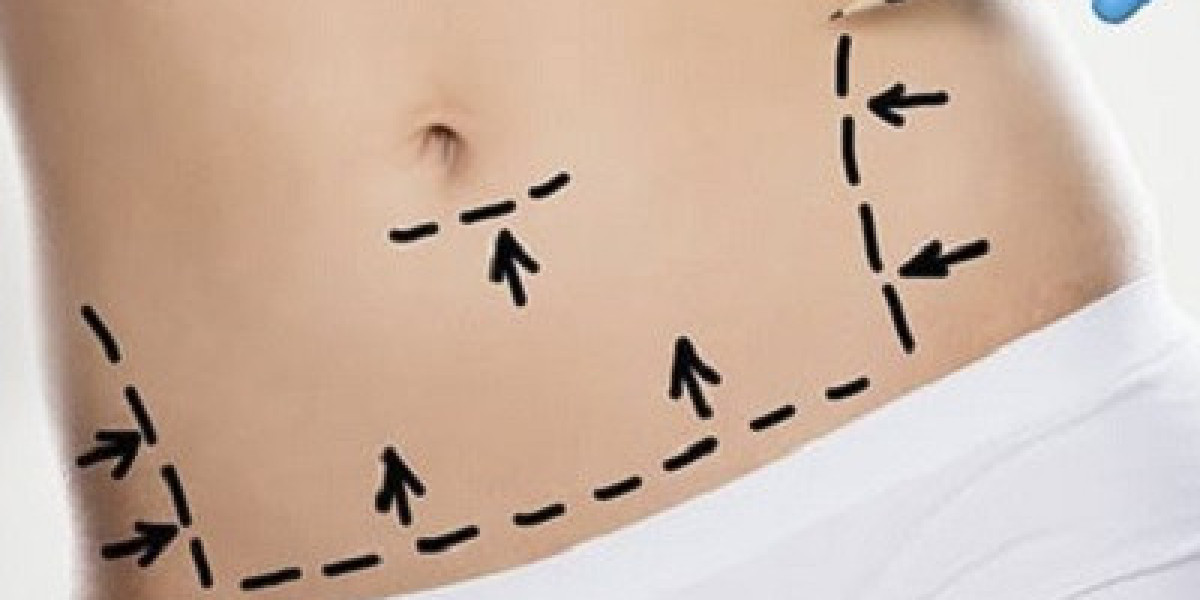

Liposuction is a popular cosmetic procedure designed to remove stubborn pockets of fat and improve body contours. For individuals considering Liposuction Surgery in Muscat, understanding the recovery process is just as important as learning about the procedure itself. One of the most common questions patients have is when they can safely return to exercise after surgery.
Physical activity plays an important role in maintaining overall health, supporting mobility, and preserving long-term body-contouring results. However, the body needs adequate time to heal after liposuction. Returning to workouts too soon may increase swelling, discomfort, and the risk of complications. On the other hand, remaining inactive for too long may make recovery more difficult.
The right time to resume exercise depends on several factors, including the areas treated, the amount of fat removed, the surgical technique, and the individual's healing progress. A gradual approach, guided by the treating surgeon, can help patients return to their normal routines safely and confidently.
1. Why Is Exercise Timing Important After Liposuction?
Liposuction involves removing fat cells from targeted areas through small incisions and specialized instruments. Although the incisions are usually small, the underlying tissues still need time to recover. The procedure can cause temporary swelling, bruising, tenderness, and fluid accumulation, which may affect movement during the early stages of healing.
Exercise increases heart rate, blood flow, and pressure within the body. These changes are generally beneficial during normal circumstances, but intense physical activity too soon after surgery may worsen swelling or discomfort and potentially contribute to bleeding or other complications.
For people considering Liposuction Surgery in Muscat, understanding the importance of postoperative care can help set realistic expectations. Recovery is not simply about waiting for the incisions to close. The deeper tissues also need time to heal, and this process can continue for several weeks.
Light movement is often encouraged soon after surgery because it supports circulation and helps reduce the risk of blood clots. However, light movement is different from structured exercise. Gentle walking may be appropriate during the early recovery period, while running, weightlifting, and high-intensity workouts usually require a longer break.
The key is to distinguish between activities that support recovery and exercises that place excessive stress on healing tissues. Following individualized medical advice is the safest way to determine when each activity can be resumed.
2. When Can Patients Start Exercising After Liposuction?
There is no single exercise schedule that suits every patient. However, recovery generally follows a gradual progression, beginning with gentle movement and advancing toward more demanding activities as healing improves.
First 24 to 48 Hours: Focus on Rest and Gentle Movement
During the first couple of days, rest is essential. Patients may experience soreness, bruising, swelling, and fatigue, particularly if multiple areas have been treated. Strenuous activity should be avoided during this period.
Short, slow walks around the home may be recommended soon after surgery, depending on the patient's condition and the surgeon's instructions. These movements can encourage circulation without placing excessive strain on the body.
Patients should avoid lifting heavy objects, bending repeatedly, making sudden movements, or performing exercises that cause pain. Assistance with daily activities may also be helpful during the first few days.
Week One: Continue Short Walks
During the first week, gentle walking may gradually become easier. Patients can often increase the duration of their walks as comfort improves, provided there is no increase in swelling, pain, or drainage.
Walking should remain at a comfortable pace. It is not the time to focus on speed, distance, or calorie expenditure. The main objective is to maintain gentle movement while allowing the treated tissues to heal.
Patients should continue wearing compression garments if prescribed and follow all wound-care instructions. Any exercise that stretches the treated areas excessively or causes discomfort should be avoided.
Weeks Two to Three: Consider Light Activities
Some patients may be ready for additional low-intensity activities during the second or third week. However, readiness depends on the extent of the procedure and the individual's recovery.
Gentle stationary cycling or simple mobility exercises may be considered when approved by the surgeon. Activities involving significant abdominal contraction, vigorous movement, or pressure on treated areas may still need to be postponed.
Patients should not assume that feeling better means the tissues have fully healed. Swelling and internal tenderness can remain even when the skin appears normal.
Weeks Four to Six: Gradually Return to More Demanding Workouts
Many patients can begin returning to moderate or more demanding exercise within approximately four to six weeks, depending on their progress and medical clearance. This period is not a guaranteed deadline.
Light resistance training, more sustained cardio, and other structured workouts may be reintroduced gradually when appropriate. Patients who have undergone extensive liposuction or treatment of several areas may require additional recovery time.
Heavy weightlifting, intense abdominal exercises, sprinting, and high-impact workouts should be resumed only when the treating surgeon confirms that it is safe.
3. Which Exercises Are Safe During Liposuction Recovery?
Choosing appropriate activities can help patients stay mobile without placing unnecessary stress on healing tissues. The safest options depend on the stage of recovery, the treated body areas, and any restrictions provided by the surgical team.
Walking
Walking is commonly the first physical activity recommended after liposuction. Short, gentle walks can help maintain circulation and reduce the risks associated with prolonged immobility.
Patients can begin with brief walks and gradually increase their duration as tolerated. If walking causes increasing pain, dizziness, unusual shortness of breath, or worsening swelling, the activity should stop and medical advice should be sought.
Gentle Mobility Exercises
Simple movements that do not strain the treated areas may be appropriate during recovery. These might include gentle ankle movements or other basic mobility exercises recommended by the medical team.
Stretching should be approached cautiously, particularly when the abdomen, thighs, flanks, or upper arms have been treated. Deep stretches may pull on healing tissues and should not be introduced without appropriate guidance.
Low-Intensity Cardio
Low-intensity cardiovascular exercise, such as stationary cycling, may become appropriate later in recovery. It should only be introduced when the surgeon confirms that the activity is suitable.
The intensity should remain low at first. Patients should avoid vigorous pedalling, resistance intervals, and prolonged sessions until their recovery allows them to tolerate these activities comfortably.
Strength Training and High-Impact Exercise
Weightlifting, running, jumping, high-intensity interval training, and strenuous core exercises usually require a longer recovery period.
These activities can increase pressure, muscle tension, and movement around the treated areas. Returning to them too early may aggravate swelling or discomfort.
Once cleared for exercise, patients should begin with lighter weights, shorter sessions, and controlled movements. Progress can be increased gradually rather than immediately returning to previous workout levels.
4. Factors That Affect the Return to Exercise After Liposuction
Recovery timelines vary because liposuction is not identical for every patient. Several factors can influence when exercise becomes appropriate.
The extent of the procedure: Patients who have larger areas treated or multiple body areas addressed may need more recovery time than those who undergo a smaller procedure.
The treated body area: Liposuction involving the abdomen, thighs, hips, or back may affect movement differently. Exercises that engage the treated muscles or stretch the surrounding tissues may need to be delayed.
Individual healing: Age, general health, circulation, smoking status, medications, and other medical factors can influence recovery. Some people experience more swelling or bruising than others.
Surgical technique: The approach used during surgery and the amount of tissue treated can affect postoperative discomfort and recovery needs.
Postoperative complications: Persistent fluid accumulation, wound problems, infection, or unexpected pain may require activity restrictions and additional medical assessment.
For patients researching Liposuction Surgery in Muscat, a consultation should include a discussion of expected recovery, activity restrictions, follow-up appointments, and the criteria for safely returning to exercise.
A personalized recovery plan is more useful than following a general timeline found online. The treating surgeon can assess healing and advise when different types of physical activity are appropriate.
5. Warning Signs to Watch for When Resuming Exercise
Returning to exercise should be a gradual process rather than a test of endurance. Certain symptoms may indicate that the body needs more rest or that medical attention is necessary.
Patients should stop exercising and contact their surgical team if they experience increasing pain, a sudden increase in swelling, new or worsening bruising, unusual wound drainage, or redness and warmth around an incision.
Fever, worsening tenderness, or fluid leaking from an incision may indicate a complication and should be assessed promptly.
Some symptoms require emergency medical attention. These include chest pain, sudden shortness of breath, fainting, or one-sided calf pain or swelling, which can be signs of a blood clot or another serious condition.
It is also important to avoid using pain medication to push through a workout. Medication may reduce discomfort without indicating that the tissues are ready for strenuous activity.
Patients should pay attention to how their bodies respond during and after movement. Increasing discomfort or swelling later in the day can suggest that activity levels have advanced too quickly. A temporary reduction in exercise intensity may be necessary while the medical team assesses the situation.
6. How to Maintain Liposuction Results While Returning to Fitness
Liposuction can improve body contours by removing targeted fat cells, but it does not prevent future weight gain. Remaining fat cells can enlarge, and changes in body weight may affect the overall appearance of the treated areas.
A balanced approach to fitness and nutrition can help support long-term results once recovery is complete.
Follow a gradual exercise plan. Rather than returning immediately to demanding workouts, patients should increase activity duration and intensity in stages. Consistency is generally more sustainable than pushing too hard during the first few weeks.
Maintain a balanced diet. Meals containing vegetables, fruit, whole grains, lean protein, and healthy fats can support general health and recovery. Adequate protein is particularly important for tissue repair, while sufficient hydration supports normal bodily functions.
Allow adequate rest. Sleep and recovery time help the body repair itself. Alternating activity with rest can prevent unnecessary fatigue during the return to regular exercise.
Follow compression instructions. Compression garments may be recommended after surgery to help manage swelling and support the treated areas. Patients should follow instructions regarding how long to wear them and whether they are appropriate during exercise.
Attend follow-up appointments. Medical reviews allow the surgical team to assess healing, identify concerns, and adjust activity recommendations.
People considering Liposuction Surgery in Muscat should also understand that final body contours may take several weeks to months to become apparent as swelling gradually settles. Exercise can support general fitness and weight management, but it cannot replace the healing process or guarantee a particular cosmetic outcome.
The most effective recovery strategy combines patience, appropriate movement, realistic expectations, and professional guidance.
Frequently Asked Questions
1. How soon can a patient walk after liposuction surgery?
Many patients are encouraged to begin short, gentle walks within the first day after surgery, when medically appropriate. Walking should be slow and comfortable, with the duration increased gradually. The exact timing depends on the procedure, the patient's condition, and the surgeon's instructions.
2. When can patients return to the gym after liposuction?
A return to the gym often takes several weeks. Some light activities may be possible earlier, while strenuous cardio and weightlifting commonly require around four to six weeks or longer. Medical clearance should be obtained before resuming demanding workouts.
3. Can exercise too soon affect liposuction results?
Exercising too early may worsen swelling, discomfort, or bruising and can interfere with recovery. Although exercise is important for long-term health, returning to it before the tissues are ready may create avoidable complications. A gradual, medically approved plan is the safer approach.
4. Is walking enough during the first week after liposuction?
For many patients, gentle walking is an appropriate form of activity during the first week. It encourages circulation without the strain associated with intense workouts. Patients should not add other exercises unless their recovery instructions allow them to do so.
5. When can patients perform abdominal exercises after liposuction?
Abdominal exercises may need to be postponed for several weeks, particularly when the abdomen or flanks have been treated. Sit-ups, planks, and other movements that engage the core can place pressure on healing tissues. The surgeon should confirm when these exercises can be restarted.
6. Does liposuction permanently prevent fat from returning?
Liposuction removes fat cells from selected areas, but it does not prevent weight gain. Remaining fat cells can enlarge if a person gains weight, potentially changing the results. Maintaining a stable weight through balanced nutrition and regular exercise after full recovery can help preserve body contours.
In conclusion, the right time to exercise after liposuction depends on the extent of surgery, the areas treated, and the individual's healing progress. Gentle walking may be appropriate early in recovery, while more demanding workouts generally require several weeks and medical clearance. Anyone considering Liposuction Surgery in Muscat should discuss a personalized activity plan with the treating surgeon and follow postoperative instructions carefully. A gradual return to exercise, combined with adequate rest and healthy lifestyle habits, can support a safer recovery and help maintain long-term results.