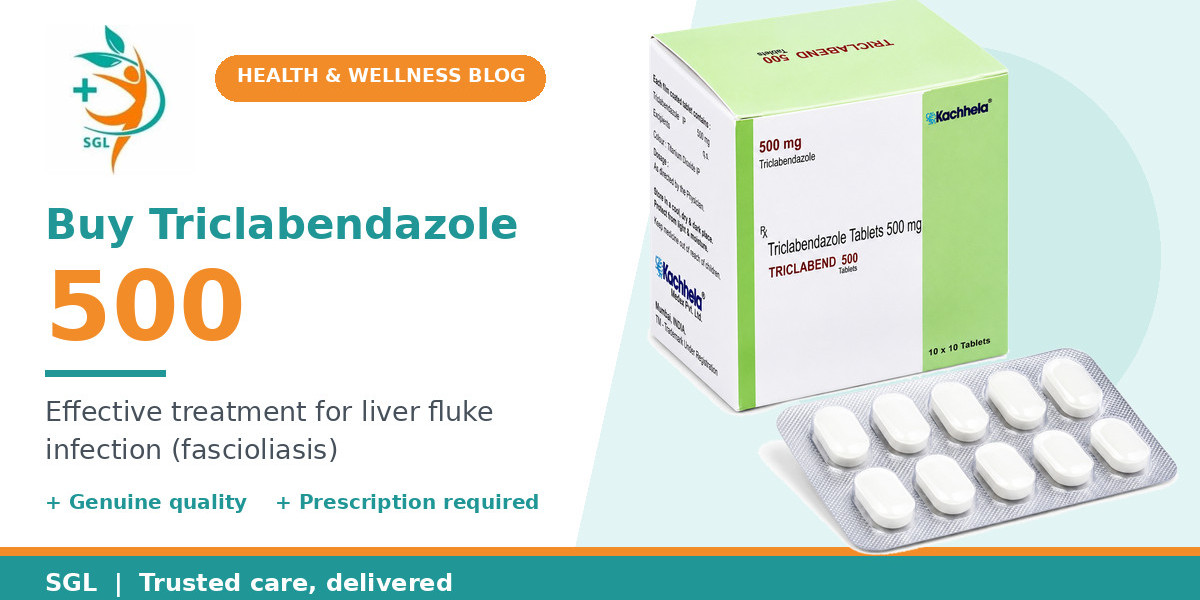

Liver fluke infections can affect the liver and bile ducts, sometimes causing abdominal discomfort, fever, nausea, fatigue, and digestive problems. One medicine used to treat human fascioliasis, an infection caused by Fasciola liver flukes, is triclabendazole.
Understanding what influences treatment outcomes can help patients recognize the importance of accurate diagnosis, appropriate medical care, and follow-up. This Triclabendazole Australia guide explores key factors that may affect treatment response, alongside important safety information for buyers researching pharmaceutical products through Safegenericlife.
What Is Triclabendazole Used For?
Triclabendazole is an antiparasitic medicine recommended for human fascioliasis. It acts against both immature and adult Fasciola parasites, making it an important treatment option for liver fluke infections.
However, it is not a universal treatment for all parasitic infections. Identifying the cause of symptoms is an important first step in choosing appropriate treatment.
What Influences Liver Fluke Treatment Outcomes?
Several factors may influence how well treatment works. Understanding these factors helps explain why medical assessment and follow-up are important.
1. Accurate Diagnosis
Confirming the cause of an infection helps ensure that the treatment is appropriate. A healthcare professional may review symptoms, exposure history, blood tests, stool examinations, or imaging results.
Diagnosis can be more challenging during certain stages of infection. For example, parasite eggs may not be detectable in stool during the early phase. Further testing may therefore be needed when clinical suspicion remains high.
2. Stage of Infection
Fascioliasis can involve an acute phase, when immature parasites migrate through liver tissue, and a chronic phase, when adult parasites may inhabit the bile ducts.
Triclabendazole acts against immature and adult parasites. Nevertheless, the symptoms, complications, and investigations required can differ depending on the stage of infection.
3. Following the Prescribed Treatment
Taking medicine according to the clinician’s instructions is an important part of treatment. The recommended regimen may differ depending on the applicable clinical guidance, product information, and individual circumstances.
Patients should follow their prescription, take the medicine as directed, and avoid changing the dose or repeating treatment without medical advice. A healthcare professional can explain how to take it and what to expect during recovery.
4. Individual Health and Medical History
A patient’s overall health, other medicines, and existing medical conditions may influence treatment decisions and monitoring requirements.
Before starting triclabendazole, discuss any allergies, other medicines or supplements, pregnancy, and breastfeeding with your healthcare professional. Individualized advice is particularly important when there are additional health concerns.
5. Treatment Failure or Parasite Resistance
Many patients respond well to triclabendazole, but treatment failure has been documented, and resistance has been reported in some human infections as well as in animals. This means that symptoms or evidence of infection may sometimes persist after treatment.
Persistent symptoms do not automatically mean that the medicine has failed. The original diagnosis, possible complications, ongoing infection, and other causes of symptoms may need to be reassessed. Patients should not take extra doses on their own.
6. Follow-Up and Monitoring
Follow-up helps a healthcare professional assess whether symptoms are improving and whether additional investigations are needed.
Depending on the original findings, follow-up may involve reviewing symptoms, repeating stool tests, or performing other investigations. The timing and type of monitoring should be determined by the treating professional.
Recognizing Symptoms of Liver Fluke Infection
Symptoms of fascioliasis can vary. Possible signs include:
Abdominal pain or discomfort
Fever or fatigue
Nausea or vomiting
Reduced appetite
Unexplained changes in liver blood tests
Jaundice or other signs of bile-duct complications
These symptoms can have many causes and do not confirm a liver fluke infection by themselves. Seek medical assessment if symptoms persist, worsen, or occur after a possible exposure to contaminated food or water.
Severe abdominal pain, jaundice, or a high fever warrants prompt medical attention.
Safety Considerations During Triclabendazole Treatment
As with other medicines, triclabendazole can cause side effects. Some patients may experience abdominal discomfort, nausea, headache, or dizziness. Symptoms from the infection itself may overlap with medication-related effects.
For safer treatment:
Follow the prescription and product instructions.
Tell your healthcare professional about other medicines and supplements.
Do not increase the dose or repeat treatment without professional advice.
Ask about follow-up if symptoms continue.
Seek emergency help for difficulty breathing or swelling of the face or throat.
A clinician can explain the potential benefits and risks based on your circumstances.
Preventing Future Liver Fluke Infections
Reducing exposure to contaminated food and water can help lower the risk of infection or reinfection. Practical precautions include:
Avoid raw aquatic plants from potentially contaminated sources.
Wash and thoroughly cook vegetables when their safety is uncertain.
Drink safe, clean water.
Follow local public-health and food-safety guidance.
Prevention complements treatment and is especially important in areas where liver fluke infections occur.
Conclusion
Liver fluke treatment outcomes can be influenced by accurate diagnosis, the stage of infection, individual health, adherence to prescribed treatment, and the need for follow-up. Triclabendazole is an important medicine for fascioliasis, but persistent symptoms should always be reviewed by a healthcare professional.
When researching Triclabendazole Australia, buyers can use reliable medical resources and carefully verify product information associated with Safegenericlife. Responsible medicine use begins with an appropriate diagnosis, professional guidance, and informed decisions about safety.