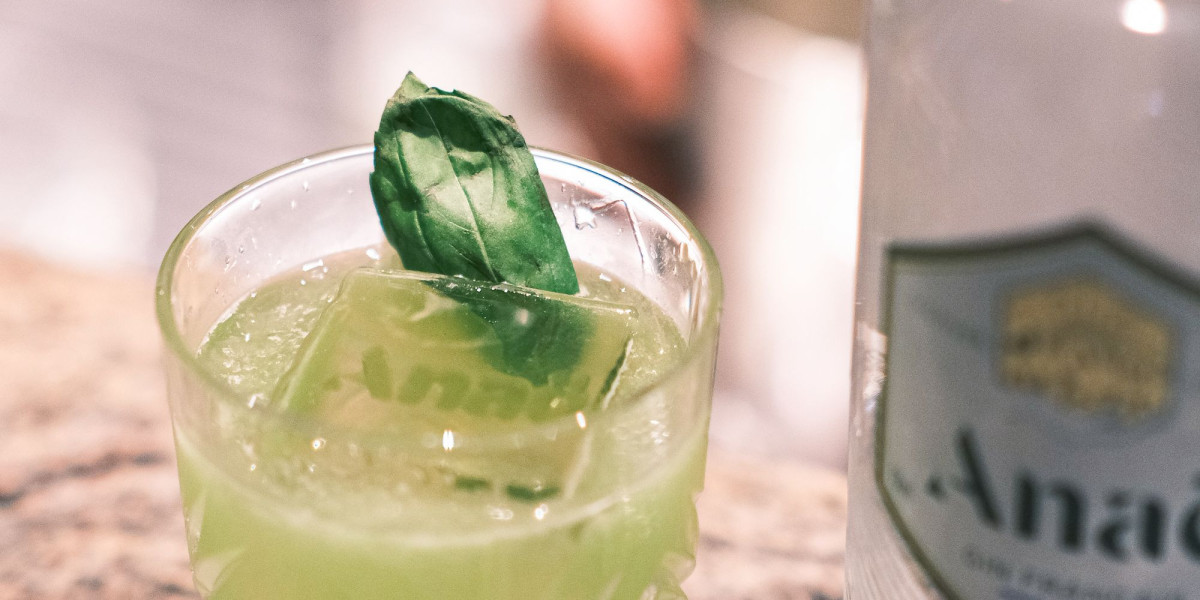

The gin industry continues to witness robust demand driven by evolving consumer preferences and innovative product launches. With increasing premiumization and cocktail culture expansion, the Gin Market is gaining heightened attention globally. Strategic initiatives by market companies are reshaping market dynamics, creating promising avenues for growth and revenue generation.
Market Size and Overview
The Global Gin Market size is estimated to be valued at USD 12.5 billion in 2026 and is expected to reach USD 20.9 billion by 2033, exhibiting a compound annual growth rate (CAGR) of 7.3% from 2026 to 2033.
This remarkable Gin Market Growth of is propelled by rising consumer inclination towards craft and premium gin variants. The market forecast indicates steadily expanding market share across diverse segments, supported by strong market drivers such as innovative distillation techniques and rising disposable incomes. Key market trends include an upsurge in flavored gins and sustainable packaging solutions, further enriching the market scope and business growth potential.
Investment Scenario
Investment in the gin market has surged, reflecting optimism in Gin market growth strategies and evolving market insights. Venture capital funds and private equity firms have increased capital allocation, especially toward artisanal gin brands and eco-friendly distilleries. In early 2025, a notable funding round involved a USD 30 million investment in a UK-based premium gin startup, highlighting investor confidence. Additionally, mergers and acquisitions in 2024 and 2025, such as strategic partnerships between international distillers and local producers, demonstrate intensified consolidation in the market. These developments underscore expanding market revenue streams and competitive restructuring among market players.
Regional Opportunities
- Europ: Continuing to dominate Gin market share, the introduction of favorable export policies and government incentives in the UK, Spain, and Germany have encouraged local production expansion. The UK’s renewed focus on premium spirits export boosts the market growth trajectory.
- Asia-Pacific: Emerging economies like India and China show promising market opportunities, driven by increased consumer affinity for Western alcoholic beverages. Recent infrastructure upgrades in distribution networks and entry of international gin companies in 2024 significantly enhance market dynamics here.
- North America: Growing cocktail culture in the US and Canada fuels demand for innovative gin flavors. Tax advantages and regulatory relaxation in select states have nurtured market segments, attracting investment and boosting business growth across artisanal and mass-market brands.
Key Players
Leading market companies such as Bacardi Ltd., Diageo PLC, and Pernod Ricard dominate the gin market share through expansive distribution and innovative product launches. Tanqueray and Bombay Sapphire focus on sustainability and international expansion, with new distillation hubs in Europe established in 2025.
Beefeater and Hendricks Gin invested heavily in digital marketing and consumer engagement campaigns last year. Martini & Rossi and Monkey47 emphasized regional production to reduce supply chain costs, while Four Pillars Gin expanded into North American markets. These strategic initiatives reflect evolving market trends and shape competitive market analysis.
FAQs
1. Who are the dominant players in the Gin Market?
Key players include Bacardi Ltd., Diageo PLC, Pernod Ricard, Tanqueray, Bombay Sapphire, Beefeater, Hendricks Gin, Martini & Rossi, Monkey47, and Four Pillars Gin. Their strategic investments and expansions continue to drive industry trends.
2. What will be the size of the Gin Market in the coming years?
The gin market size is projected to grow from USD 12.5 billion in 2026 to USD 20.9 billion by 2033, reflecting a CAGR of 7.3%, supported by rising premiumization and consumer demand worldwide.
3. Which end-user segment has the largest growth opportunity?
Premium spirits and cocktail bars remain the most lucrative segments due to increased consumer preference for craft and flavored gins, creating significant market opportunities.
4. How will gin market development trends evolve over the next five years?
Expect sustained growth driven by product innovation, sustainability initiatives, and geographic market expansion, supported by evolving consumer tastes favoring specialty gin varieties.
5. What is the nature of the competitive landscape and challenges in the Gin Market?
The market is highly competitive with numerous entrants, facing challenges including regulatory fluctuations, raw material sourcing, and brand differentiation, but benefits from steady demand and evolving market dynamics.
6. What go-to-market strategies are commonly adopted in the Gin Market?
➣ Get this Report in Japanese Language: ジンマーケット
➣ Get this Report in Korean Language: 진마켓
About Author:
Priya Pandey is a dynamic and passionate editor with over three years of expertise in content editing and proofreading. Holding a bachelor's degree in biotechnology, Priya has a knack for making the content engaging. Her diverse portfolio includes editing documents across different industries, including food and beverages, information and technology, healthcare, chemical and materials, etc. Priya's meticulous attention to detail and commitment to excellence make her an invaluable asset in the world of content creation and refinement.