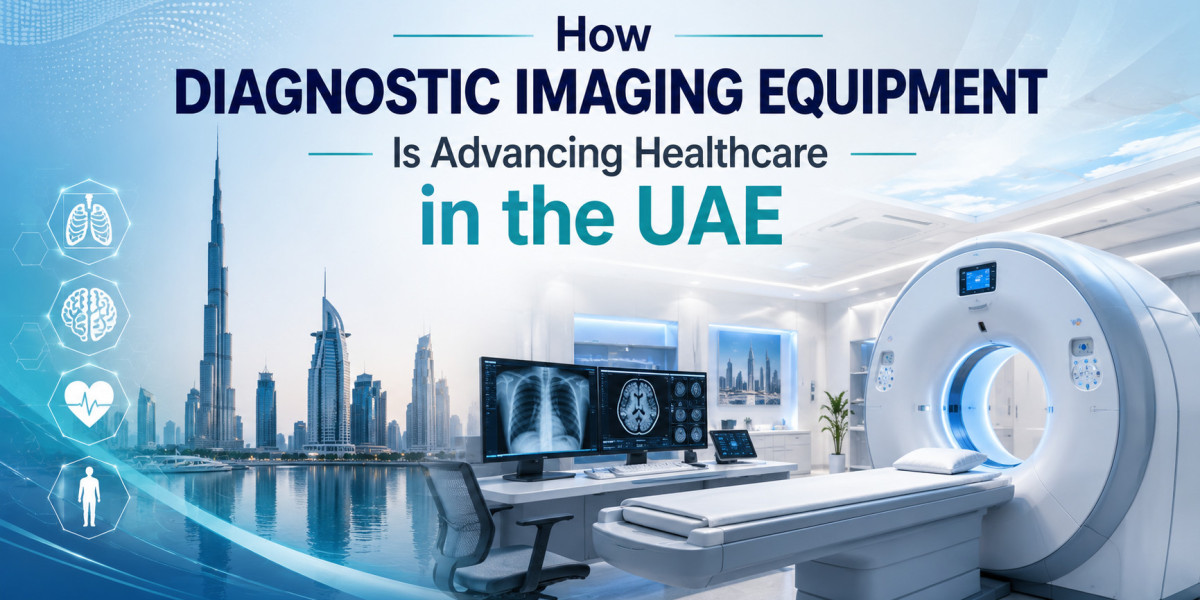

The UAE diagnostic imaging equipment landscape is evolving rapidly as healthcare providers continue to invest in advanced technologies that improve disease detection, treatment planning, and patient outcomes. Modern imaging systems have become essential across hospitals, diagnostic centers, and specialty clinics, enabling healthcare professionals to identify medical conditions accurately while supporting faster clinical decision-making.
Growing awareness of preventive healthcare, an increasing focus on early diagnosis, and ongoing healthcare modernization are encouraging the adoption of sophisticated imaging technologies throughout the country. According to the UAE Diagnostic Imaging Equipment report, the sector continues to benefit from technological innovation, expanding healthcare infrastructure, and increasing demand for efficient diagnostic services.
Why Diagnostic Imaging Equipment Is Becoming More Important
Diagnostic imaging plays a fundamental role in modern medicine by allowing clinicians to visualize internal organs, tissues, and bones without invasive procedures. Technologies such as X-ray, magnetic resonance imaging (MRI), computed tomography (CT), ultrasound, and nuclear imaging support accurate diagnosis across multiple medical specialties.
Healthcare providers rely on these imaging systems to diagnose chronic illnesses, monitor disease progression, guide surgical procedures, and evaluate treatment effectiveness. As patient expectations continue to evolve, healthcare organizations are prioritizing imaging solutions that deliver greater precision, faster scan times, and improved patient comfort.
The growing burden of chronic diseases worldwide has also highlighted the importance of medical imaging in detecting conditions at earlier stages. Organizations such as the World Health Organization (WHO) emphasize the need for timely diagnosis to improve healthcare outcomes and reduce long-term disease complications.
Technology Innovation Is Transforming Diagnostic Imaging
Technological advancement remains one of the strongest factors influencing the diagnostic imaging equipment landscape. Manufacturers continue introducing systems equipped with artificial intelligence, automation, advanced image processing, and digital workflow capabilities that help radiologists interpret images more efficiently.
Artificial intelligence is increasingly assisting healthcare professionals by identifying abnormalities, reducing reporting time, and supporting consistent image analysis. While AI does not replace clinical expertise, it enhances diagnostic confidence and improves workflow efficiency across imaging departments.
Modern imaging platforms also offer improved image quality while minimizing radiation exposure wherever possible. These innovations support patient safety alongside enhanced clinical performance, making advanced imaging solutions attractive for both public and private healthcare institutions.
Healthcare Infrastructure Expansion Supports Equipment Adoption
The UAE continues to strengthen its healthcare ecosystem through investments in hospitals, specialty care centers, and diagnostic facilities. As new healthcare institutions are established and existing facilities undergo modernization, demand for reliable diagnostic imaging equipment continues to grow.
Healthcare providers are increasingly seeking integrated imaging systems that can support multiple clinical departments while simplifying data management through digital healthcare platforms. The adoption of connected healthcare technologies enables clinicians to access imaging records more efficiently, improving coordination among multidisciplinary care teams.
Digital transformation initiatives across healthcare are also encouraging greater interoperability between imaging equipment and electronic health records. Guidance published by the HL7 FHIR Standards highlights the importance of standardized healthcare data exchange in improving clinical collaboration and patient care.
Growing Focus on Early Diagnosis and Preventive Care
Preventive healthcare has become an important priority across the UAE. Early diagnosis allows physicians to identify medical conditions before symptoms become severe, supporting more effective treatment strategies and improving long-term patient outcomes.
Diagnostic imaging is widely used for routine health screenings, cancer detection, cardiovascular assessments, neurological evaluations, orthopedic examinations, and maternal healthcare. As healthcare awareness increases among patients, demand for accessible imaging services continues to expand across multiple age groups.
Healthcare providers are also encouraging regular screening programs supported by advanced imaging technologies that help identify potential health risks before complications develop. This proactive approach contributes to improved disease management and enhances overall healthcare efficiency.
Challenges Influencing the Diagnostic Imaging Landscape
Despite continuous technological progress, several operational challenges remain. Advanced diagnostic imaging systems require significant investment, ongoing maintenance, specialized infrastructure, and highly trained healthcare professionals to ensure optimal performance.
Healthcare organizations must also manage cybersecurity, patient data privacy, equipment upgrades, and regulatory compliance while maintaining uninterrupted diagnostic services. Workforce development remains equally important, as skilled radiologists and imaging technologists are essential for maximizing the value of advanced diagnostic systems.
Another consideration involves balancing technological innovation with affordability, ensuring that healthcare providers can expand imaging capabilities while maintaining cost-effective patient care.
Future Outlook for Diagnostic Imaging Equipment in the UAE
The future of diagnostic imaging equipment in the UAE is expected to remain closely aligned with healthcare innovation, digital transformation, and patient-centered care. Continued advancements in artificial intelligence, cloud-based imaging platforms, automation, and smart diagnostic solutions are likely to further improve diagnostic accuracy and operational efficiency.
Healthcare providers are expected to continue adopting imaging technologies that support faster workflows, better patient experiences, and integrated clinical decision-making. Collaboration between healthcare organizations, technology developers, and regulatory authorities will remain important for encouraging responsible innovation and maintaining high standards of patient safety.
As diagnostic imaging continues to evolve, the UAE is well positioned to strengthen its healthcare capabilities through advanced medical technologies that enhance clinical excellence, improve diagnostic confidence, and support better healthcare outcomes across diverse patient populations.