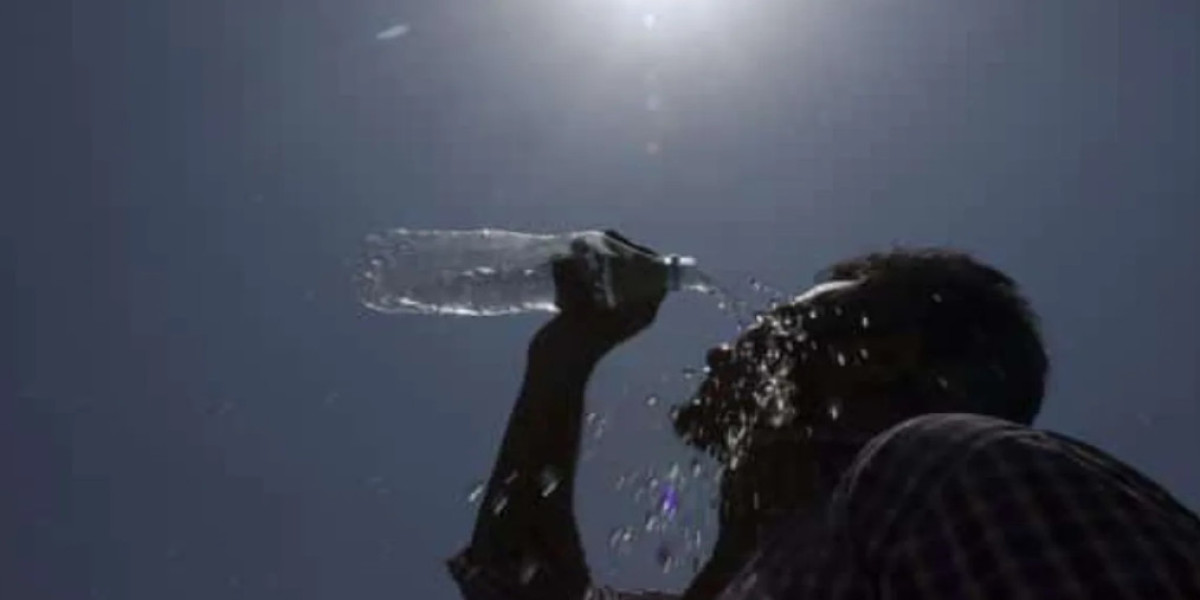

There is something quietly unsettling about stepping outside in April and feeling air that belongs to June. Not warm , scorching. The kind of heat that makes the back of your throat go dry before you have even walked to the gate. That is what millions across India are waking up to right now, and the India Meteorological Department has made it very clear: this is not a temporary blip. The IMD forecasts heatwave conditions across India through April, May, and June 2026 , and by most measures, what we are seeing right now is only the beginning.
This article tries to make sense of it all. Not just the numbers, but what they mean on the ground , for farmers, for daily labourers, for parents sending children to school, for anyone who has to be somewhere at noon under a white sky.
Why the IMD Heatwave Forecast Deserves Attention
Heatwaves are no longer isolated weather events—they are becoming more frequent, lasting longer, and affecting larger parts of India. According to the India Meteorological Department (IMD), prolonged periods of unusually high temperatures can increase health risks, strain water and power resources, reduce agricultural productivity, and disrupt everyday life.
An IMD heatwave warning is issued when temperatures rise significantly above the normal level for a region or cross specified thresholds. These alerts are designed to help state authorities, healthcare systems, and the public prepare for extreme weather conditions and reduce heat-related illnesses.
The latest forecast indicates that several parts of northern, central, eastern, and northwestern India are likely to experience above-normal temperatures and more heatwave days during the summer season. Higher daytime temperatures, combined with warmer nights, can make it difficult for the human body to recover from prolonged heat exposure, particularly for children, older adults, outdoor workers, and people with existing medical conditions.
Beyond personal health, extended heatwaves can affect multiple sectors, including agriculture, transportation, electricity demand, and water availability. Increased use of cooling systems places additional pressure on power grids, while prolonged dry conditions may impact crop yields and local water supplies.
For these reasons, the IMD's heatwave forecast is more than a weather update—it serves as an early warning that allows individuals, communities, and authorities to take preventive measures. Staying hydrated, avoiding direct sunlight during peak afternoon hours, wearing lightweight clothing, and following official weather advisories can significantly reduce the risk of heat-related health problems during extreme summer conditions.
Understanding What the IMD Forecast Actually Says
Let us slow down here and look at the forecast carefully, because there is some nuance worth understanding.
The IMD's seasonal outlook for April to June 2026 presents a picture that is uneven across the country , not uniformly terrible everywhere, but seriously concerning in specific regions. Here is what it says, broken down:
Eastern and Northeastern India: These regions are expected to experience above-normal maximum temperatures throughout the summer. West Bengal, Odisha, Jharkhand, Bihar, and the northeastern states are in the high-risk zone. The combination of high temperatures and humidity makes heat feel far more severe here than the thermometer reading alone suggests. When humidity is elevated, sweat cannot evaporate properly , the body's primary cooling mechanism essentially fails. The danger is real and immediate.