
Noida Workers and Police Clash: Inside the Wage Protest That Shook the City
A major protest by industrial workers in Noida recently drew widespread attention after it escalated into a confrontation with police authorities. The demonstration, which began as a demand for better wages and improved working conditions, quickly intensified, leading to clashes that disrupted traffic, affected industrial operations, and sparked discussions about labor rights and workplace welfare.
The incident has highlighted the ongoing challenges faced by industrial workers and raised important questions about wage policies, labor laws, and the need for constructive dialogue between employers, employees, and government authorities.
What Triggered the Protest?
According to reports, workers from several industrial units gathered to demand higher wages, timely salary payments, and improved employment conditions. Many protesters argued that rising inflation and the increasing cost of living had made it difficult to support their families on existing wages.
Workers also raised concerns regarding overtime compensation, job security, workplace safety, and employee benefits. Labor representatives stated that repeated requests for discussions had not resulted in satisfactory solutions, prompting workers to organize a large public demonstration.
How the Situation Escalated
The protest initially remained peaceful, with workers carrying banners and raising slogans to highlight their demands. As the crowd grew, traffic congestion developed around key industrial areas.
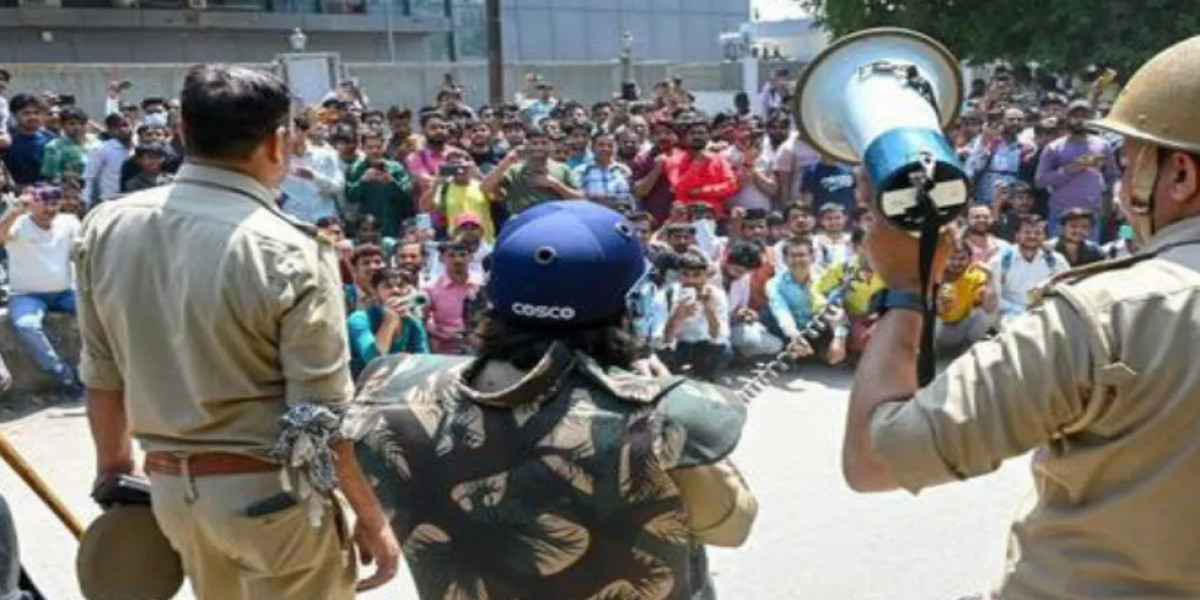
Police personnel were deployed to maintain public order and regulate traffic movement. As authorities attempted to control the gathering and clear blocked roads, tensions increased. Reports indicated that disagreements between protesters and police eventually led to pushing, stone-pelting in some areas, and the use of crowd-control measures.
The confrontation created panic among commuters and temporarily affected nearby businesses.
Workers' Main Demands
The protesters emphasized several issues they believe require immediate attention, including:
Increase in minimum wages.
Timely payment of salaries.
Better working conditions.
Job security for contract workers.
Fair overtime compensation.
Improved workplace safety measures.
Access to employee welfare benefits.
Labor unions argued that wage revisions should reflect current economic conditions and rising household expenses.
Response from Authorities
Local authorities appealed for calm and urged protesters to maintain peaceful demonstrations. Police officials stated that their primary objective was to prevent disruption to public services and ensure the safety of both protesters and residents.
Government representatives indicated that discussions with labor organizations and industrial management would continue to explore possible solutions. Officials also emphasized the importance of resolving disputes through dialogue while maintaining law and order.
Impact on Industry and Daily Life
The protest affected several industrial zones in Noida, causing temporary disruptions to manufacturing activities and transportation. Traffic delays were reported on major roads as police diverted vehicles away from protest sites.
Businesses operating in the affected areas experienced interruptions, while many employees and commuters faced longer travel times due to road closures and congestion.
The incident also drew attention from labor organizations across the country, many of which reiterated calls for stronger worker protections and regular wage reviews.
Importance of Constructive Dialogue
Labor experts believe that open communication between employers, workers, and government agencies is essential to prevent such confrontations. Regular wage negotiations, transparent grievance redressal systems, and compliance with labor regulations can help address worker concerns before they escalate into large-scale protests.
Industrial growth and employee welfare are closely connected. Ensuring fair compensation, safe workplaces, and respectful communication benefits both businesses and workers by creating a more stable and productive work environment.
What Happens Next?
Following the protest, authorities are expected to continue discussions with worker representatives and industry stakeholders. Any future decisions regarding wage revisions or labor reforms could influence employment conditions across industrial regions beyond Noida.
Observers note that the outcome of these negotiations may shape future labor relations and encourage broader conversations about balancing economic growth with worker welfare.