
Can You Recycle Ziploc Bags?
Plastic waste has become a growing concern for households worldwide. From grocery bags to food packaging, people are paying closer attention to how everyday items affect the environment. One common question many consumers ask is can you recycle ziploc bags? Since these storage bags are used frequently for meal prep, leftovers, freezing foods, and organizing small items, understanding their end-of-life options can help families make more sustainable choices.
While many plastics can be recycled through local curbside programs, food storage bags are different. Their flexible structure and potential food contamination create challenges that make recycling more complicated than simply tossing them into a blue bin. Fortunately, there are several ways to reduce their environmental impact through responsible disposal, proper cleaning, and extended use.
Understanding What Ziploc Bags Are Made Of
Before discussing recycling options, it is important to understand the materials used to manufacture storage bags.
A typical ziploc bag is made from low-density polyethylene (LDPE) or linear low-density polyethylene (LLDPE). These plastics are lightweight, durable, and moisture-resistant, making them excellent for preserving food freshness.
Manufacturers choose these materials because they offer:
Flexibility
Tear resistance
Freezer protection
Leak resistance
Transparency for easy identification
Unlike hard plastics such as milk jugs and detergent bottles, flexible plastics require specialized processing methods. Their thin composition creates unique challenges within traditional recycling systems.
The zipper closure itself may contain slightly different plastic compounds designed to maintain a secure seal over multiple uses.
Why Plastic Film Is Difficult to Recycle
People often assume that all plastics belong in curbside recycling bins. Unfortunately, that is not always true.
Flexible plastics such as food storage bags, bread bags, produce wraps, and packaging films can create problems inside recycling facilities.
Plastic Wraps Around Machinery
Modern recycling plants rely heavily on automated sorting equipment.
Thin plastics easily wrap around rotating gears, screens, and conveyor systems.
Workers often need to stop operations to remove tangled material.
Food Residue Causes Contamination
Food contamination remains one of the largest barriers to successful recycling.
Even small amounts of grease, oils, sauces, or crumbs can reduce the quality of recycled plastic.
This contamination may cause entire batches of recyclable material to be discarded.
Lightweight Materials Are Harder to Sort
Sorting equipment is optimized for rigid containers.
Flexible films move unpredictably through processing facilities, making accurate separation more difficult.
As a result, many municipal recycling programs exclude plastic film products from curbside collections.
Can Food Storage Bags Be Recycled?
The answer depends largely on where you live.
Many consumers continue asking can you recycle ziploc bags because recycling rules vary significantly between communities.
Technically, the plastic material used to manufacture storage bags can often be processed and reused.
However, access to recycling opportunities differs based on local infrastructure.
Some communities offer:
Grocery Store Drop-Off Programs
Retailers frequently provide bins designated for plastic shopping bags and film products.
Accepted materials may include:
Bread bags
Produce bags
Dry cleaning wraps
Newspaper sleeves
Food storage bags
Requirements vary, so checking local guidelines is essential.
Specialized Recycling Centers
Some private recycling facilities accept soft plastics separately from household recyclables.
Residents may need to collect bags and deliver them to designated locations.
Community Collection Events
Municipalities occasionally host recycling drives focused on difficult-to-recycle materials.
These programs provide additional opportunities to divert plastic waste from landfills.
Understanding local resources remains the best way to determine whether recycling is available in your area.
Preparing Bags for Recycling
Preparation plays an important role in improving recycling outcomes.
Clean materials are more likely to be accepted and successfully processed.
Step One: Empty the Bag Completely
Remove all food particles.
Inspect corners carefully for crumbs or residue.
Step Two: Wash the Bag
Many households already practice washing ziploc bags before reusing them.
The same cleaning methods can prepare bags for recycling.
Warm water and mild soap usually work well.
A simple bag wash process removes oils and contaminants effectively.
Step Three: Allow Complete Drying
Moisture contamination should be avoided.
Place bags upside down on drying racks or kitchen stands.
Proper airflow prevents odors from developing.
Step Four: Store Until Collection
Keep clean bags together inside a larger plastic bag until enough material accumulates for recycling.
Consolidation simplifies transportation and drop-off efforts.
Why Reusing Bags May Be Better Than Recycling
Waste reduction experts often emphasize a hierarchy of environmental practices.
Generally, the preferred order is:
Reduce
Reuse
Recycle
Reusing products extends their lifespan and delays disposal.
There are several benefits associated with reuse.
Reduced Resource Consumption
Producing new plastics requires:
Petroleum resources
Water
Energy
Manufacturing equipment
Extending the useful life of existing bags lowers demand for virgin materials.
Household Cost Savings
Families who reuse storage bags purchase fewer replacements throughout the year.
Small savings accumulate over time.
Less Waste Sent to Landfills
Every reused bag represents one fewer discarded item entering waste streams.
This contributes to broader sustainability efforts.
Many environmentally conscious households have embraced plastic bag reuse as part of their daily routine.
Safe Guidelines for Reusing Storage Bags
Not every bag should be reused.
Food safety considerations must remain a priority.
Bags Suitable for Reuse
Storage bags previously used for:
Bread
Cookies
Sandwiches
Crackers
Fresh produce
Dry cereal
are generally easier to clean safely.
Bags That Should Usually Be Discarded
Avoid reusing bags that held:
Raw chicken
Raw seafood
Ground beef
Eggs
Oily marinades
These foods increase the risk of bacterial contamination.
Inspect bags regularly for:
Small holes
Broken seals
Persistent odors
Cloudiness
Structural weakness
Damaged bags should be retired from food storage use.
Cleaning Methods That Help Extend Bag Life
Proper cleaning allows reusable bags to remain sanitary for multiple uses.
Several methods work well.
Hand Washing
Hand washing remains the most popular technique.
Steps include:
Rinse immediately.
Apply dish soap.
Gently scrub interior surfaces.
Rinse thoroughly.
Dry completely.
Some people designate a specific washing bag area near the sink to simplify this process.
Dishwasher Cleaning
Certain thicker bags tolerate dishwasher cleaning.
Users should:
Secure openings.
Avoid high heat settings.
Position bags upright.
Some households use support accessories that function similarly to a dishwasher bag holder to keep bags open during washing cycles.
Air Drying Techniques
Drying can be challenging because bags tend to collapse.
Several solutions help improve airflow.
Examples include:
Bottle drying racks
Clips
Wooden spoons
Specialized stands
Kitchen organizers
Some consumers refer to drying aids as a bag cleaner accessory because they support proper maintenance.
Reusable Alternatives to Traditional Storage Bags
Although disposable storage bags are convenient, many households are transitioning to reusable options that can significantly reduce waste over time. Choosing alternatives does not necessarily mean sacrificing convenience. Instead, it offers an opportunity to adopt products designed for repeated use.
Silicone Storage Bags
Silicone bags have become increasingly popular because they are:
Heat resistant
Freezer safe
Durable
Dishwasher friendly
Leakproof
High-quality silicone bags can last for years when properly maintained.
Glass Containers
Glass containers provide another excellent option.
Benefits include:
Odor resistance
Easy cleaning
Microwave compatibility
Long lifespan
Reduced plastic exposure
They are especially useful for meal preparation and leftover storage.
Cloth Produce Bags
Reusable cloth bags work well for fruits, vegetables, and dry pantry items.
Unlike disposable plastics, they can be washed hundreds of times.
Reusable Food Storage Bags
Many consumers now prefer a reusable ziploc bag because it combines the convenience of traditional storage bags with the environmental benefits of repeated use.
These bags are available in various sizes and materials designed for everyday kitchen tasks.
Environmental Impact of Disposable Plastic Bags
Plastic pollution continues to affect ecosystems worldwide.
Storage bags represent only a small portion of total plastic consumption, but their widespread use contributes to larger waste management challenges.
Landfill Accumulation
Plastic bags may take decades or even centuries to break down.
During this process, they fragment into microplastics that persist in the environment.
Marine Pollution
Improperly discarded plastic waste can enter waterways.
Marine animals may:
Ingest plastic fragments
Become entangled
Suffer digestive blockages
Experience habitat degradation
Reducing single-use plastics can help minimize these risks.
Carbon Footprint
Producing new plastic products requires energy-intensive manufacturing.
By extending the life of existing items, households indirectly reduce greenhouse gas emissions associated with production and transportation.
Myths About Recycling Food Storage Bags
Several misconceptions contribute to confusion about recycling.
Myth 1: All Plastics Belong in the Blue Bin
Not all plastics are processed using the same recycling methods.
Flexible films frequently require separate collection systems.
Myth 2: Dirty Bags Can Be Recycled
Food contamination remains a major issue.
Clean materials are far more likely to be accepted.
Myth 3: Recycling Is Better Than Reusing
In many situations, reuse offers greater environmental benefits.
Using an item multiple times conserves resources before recycling becomes necessary.
Myth 4: One Bag Does Not Matter
Individual actions may seem insignificant, but millions of households making small changes can produce meaningful environmental improvements.
Products That Help Maintain Reusable Bags
Cleaning reusable storage bags effectively encourages long-term use.
Several kitchen accessories simplify maintenance.
Drying Stands
Dedicated drying racks help bags remain open while moisture evaporates.
Good airflow reduces bacterial growth.
Cleaning Brushes
A soft plastic bag cleaner brush can assist with removing food residue from corners and seams without damaging delicate materials.
Support Frames
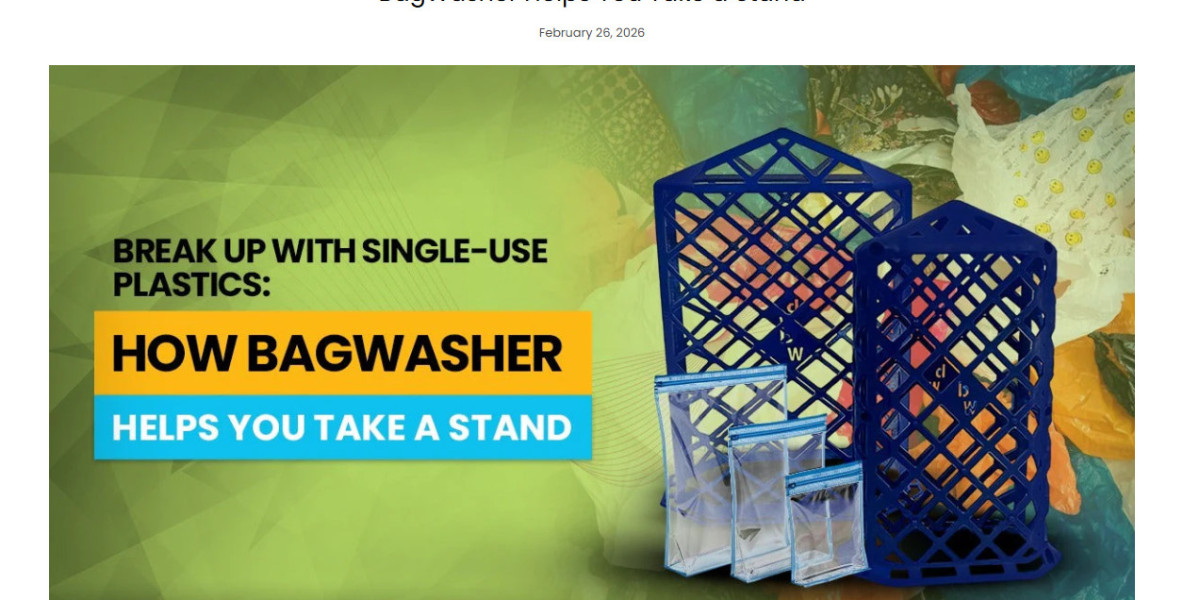
Some households prefer kitchen accessories that function similarly to a bag washer system by holding bags upright during washing and drying.
Other users may describe these tools as a washer bag solution because they improve cleaning efficiency and convenience.
Certain products are also marketed as a reusable plastic bags washer, providing support for people who regularly clean food storage bags.
Innovative cleaning systems have even been referred to as bag e wash devices due to their focus on simplifying reusable bag maintenance.
Tips for Reducing Plastic Waste at Home
Recycling is only one component of sustainable living.
Several additional habits can help minimize household waste.
Purchase Only What You Need
Avoid accumulating excess food that may spoil before use.
Better meal planning reduces packaging waste.
Carry Reusable Shopping Bags
Reusable totes eliminate the need for disposable checkout bags.
Repurpose Storage Bags
Used bags can be reused for:
Organizing travel items
Storing craft supplies
Protecting electronics
Separating small hardware
Packing toiletries
Support Recycling Programs
Participation encourages communities to expand collection opportunities.
Demand often drives investment in better recycling infrastructure.
Frequently Asked Questions
How many times can a storage bag be reused?
The answer depends on previous contents and cleaning practices.
Some bags last only a few uses, while others remain functional much longer.
Inspect bags regularly for signs of wear.
Should bags used for raw meat be reused?
Most food safety experts recommend discarding bags that contained raw meat, poultry, or seafood.
Cross-contamination risks can outweigh environmental benefits.
Do all grocery stores accept plastic film recycling?
No.
Programs vary by retailer and location.
Checking local guidelines remains essential.
Is recycling enough to solve plastic pollution?
Recycling helps, but reducing consumption and extending product lifespan are equally important.
Adopting multiple sustainable habits creates the greatest impact.
Final Thoughts
Consumers today are more aware of the environmental consequences associated with everyday products. Questions about food storage bags reflect a growing interest in making responsible decisions that balance convenience with sustainability.
For households wondering can you recycle ziploc bags, the answer often depends on local recycling capabilities and whether appropriate collection programs are available. In many cases, recycling through store drop-off programs is possible, provided bags are clean and dry.
At the same time, reusing storage bags whenever it is safe to do so may provide even greater environmental benefits. Extending product life reduces demand for new plastics, lowers household waste, and encourages mindful consumption habits.
Ultimately, understanding disposal options, following proper cleaning practices, and exploring reusable alternatives can help families make informed choices. Small changes, repeated consistently, contribute to meaningful reductions in plastic waste and support a more sustainable future for everyone.