
Sodium carbonate is a chemical compound commonly used in homes, laboratories, and industries. Many people search “is sodium carbonate safe” because it is found in cleaning products, detergents, food processing, and water treatment systems. Understanding its safety is important because improper handling may cause irritation or discomfort. Sodium carbonate is generally considered safe when used correctly and according to recommended guidelines. However, exposure to large amounts or direct contact without protection can lead to health concerns. Learning about its properties, applications, and precautions helps users handle it responsibly and safely in different environments.
What is Sodium Carbonate?
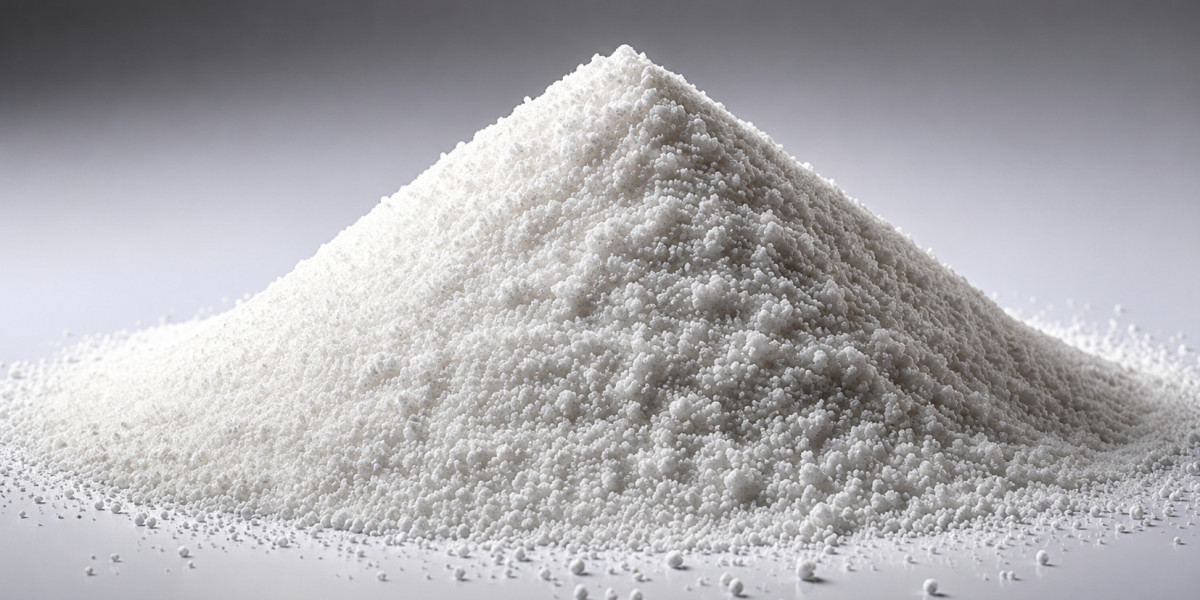
Sodium carbonate, also known as soda ash or washing soda, is a white alkaline chemical compound with the formula Na₂CO₃. It dissolves easily in water and forms an alkaline solution. This compound occurs naturally in mineral deposits and is also produced industrially for commercial use. Sodium carbonate is widely used because of its strong cleaning ability and pH regulation properties. It is an important industrial chemical used in glass production, detergents, textiles, and chemical manufacturing. Its effectiveness and affordability make it one of the most commonly used chemicals worldwide.
Chemical Properties of Sodium Carbonate
Sodium carbonate is a strongly alkaline substance with a high pH value. It reacts with acids to produce carbon dioxide gas and water, which makes it useful in many chemical processes. The compound is odorless and usually appears as a white powder or crystalline solid. Because of its alkaline nature, sodium carbonate can dissolve grease, oil, and stains effectively. It is stable under normal conditions but absorbs moisture from the air if not stored properly. These properties make it useful in cleaning products, water softening, and industrial manufacturing applications.
Is Sodium Carbonate Safe for Humans?
Sodium carbonate is generally safe for humans when used properly and in controlled amounts. It is commonly found in household cleaning products and some food-related applications. Small exposure does not usually cause serious health problems, but concentrated forms may cause irritation. Direct contact with the skin can lead to dryness or mild irritation, while contact with eyes may cause redness and discomfort. Inhaling sodium carbonate dust may irritate the respiratory system. Following proper safety measures greatly reduces health risks and ensures safe handling in domestic and industrial environments.
Is Sodium Carbonate Safe in Food?
Food-grade sodium carbonate is used in certain food products and processing methods. It can function as a food additive, acidity regulator, or raising agent in baking and cooking. Regulatory authorities consider approved food-grade sodium carbonate safe when used within recommended limits. It is sometimes used in noodles, baked goods, and cocoa processing. However, industrial-grade sodium carbonate should never be consumed because it may contain impurities unsuitable for food use. Proper labeling and regulated manufacturing standards help ensure food safety.
Health Risks of Sodium Carbonate
Although sodium carbonate is not highly toxic, exposure can still cause health issues if safety precautions are ignored. Skin contact may cause irritation, dryness, or itching, especially after prolonged exposure. Eye contact can result in burning sensations, redness, and watering. Breathing in sodium carbonate dust may irritate the nose, throat, and lungs. Swallowing large amounts may lead to stomach pain, nausea, vomiting, or digestive discomfort. Serious health effects are rare, but proper handling and quick first aid measures are important to minimize potential risks.
Safety Precautions When Handling Sodium Carbonate
Handling sodium carbonate safely requires basic protective measures. Gloves and safety goggles should be worn when handling large amounts or concentrated solutions. Work areas should be properly ventilated to reduce dust exposure. In industrial settings, respiratory protection may be necessary when dealing with airborne particles. Hands should always be washed after handling the chemical. Containers should remain tightly sealed and stored in dry conditions to prevent moisture absorption. Following these safety precautions helps reduce irritation and ensures safer handling practices.
Industrial Uses of Sodium Carbonate
Sodium carbonate is widely used in many industrial processes due to its chemical properties. It is an essential ingredient in glass manufacturing, where it helps reduce the melting temperature of silica. It is also used in detergent production, paper manufacturing, textile processing, and water treatment systems. In chemical industries, sodium carbonate is used to control pH levels and neutralize acids. Its ability to soften water and remove impurities makes it highly valuable in industrial operations around the world.
Household Uses of Sodium Carbonate
In households, sodium carbonate is mainly used as a cleaning agent and water softener. It helps remove stains, grease, and dirt from laundry, kitchen surfaces, and bathroom areas. It is commonly found in detergents, dishwasher products, and floor cleaners. Sodium carbonate also improves the effectiveness of soaps and cleaning agents by reducing water hardness. Its strong cleaning power and low cost make it popular for domestic cleaning applications.
Environmental Impact of Sodium Carbonate
Sodium carbonate is generally considered less harmful to the environment than many industrial chemicals. It naturally occurs in the environment and does not remain for long periods. However, releasing excessive amounts into water systems may increase alkalinity and affect aquatic organisms. Proper disposal methods and controlled industrial usage help reduce environmental impact. Many industries follow environmental regulations to ensure responsible use and disposal of sodium carbonate.
Is Sodium Carbonate Safe for Skin?
Short-term contact with sodium carbonate is usually not dangerous, but repeated or prolonged exposure may irritate the skin. Some people may experience dryness, redness, or itching after direct contact. Individuals with sensitive skin may be more affected by its alkaline nature. Wearing protective gloves helps prevent irritation and protects the skin during handling. Washing exposed skin with water after contact can help reduce discomfort and maintain skin health.
Is Sodium Carbonate Safe for Cleaning?
Sodium carbonate is widely used in cleaning products because it effectively removes grease, stains, and mineral deposits. When used according to product instructions, it is considered safe for household cleaning applications. However, concentrated solutions should be handled carefully to avoid skin or eye irritation. It should also not be mixed with incompatible chemicals unless specifically recommended. Proper dilution and careful handling improve both safety and cleaning performance.
First Aid Measures for Sodium Carbonate Exposure
If sodium carbonate enters the eyes, they should be rinsed immediately with clean water for several minutes. Medical attention may be needed if irritation continues. For skin contact, the affected area should be washed thoroughly with water and mild soap. If dust is inhaled, the person should move to fresh air. In case of swallowing large amounts, medical advice should be sought immediately, especially if symptoms such as nausea or abdominal pain occur.
Storage and Handling Recommendations
Sodium carbonate should be stored in tightly closed containers in cool and dry places. Exposure to moisture should be avoided because the compound absorbs water from the air. It should be kept away from strong acids to prevent chemical reactions. Proper labeling and safe storage practices are important in homes, laboratories, and industrial environments. Following recommended storage conditions helps maintain product quality and reduces safety risks.
Advantages of Sodium Carbonate
Sodium carbonate offers many advantages in both household and industrial applications. It is affordable, effective, and widely available. It functions as a strong cleaning agent, pH regulator, and water softener. Compared to many harsh chemicals, it has relatively lower toxicity when used correctly. Its versatility and efficiency make it an important chemical in glass manufacturing, detergents, and water treatment systems.
Limitations of Sodium Carbonate
Despite its usefulness, sodium carbonate also has some limitations. Its alkaline nature can cause irritation if handled improperly. High concentrations may damage delicate surfaces or materials. In industrial settings, dust control measures may be required to protect workers from respiratory irritation. Understanding these limitations helps users apply sodium carbonate safely and effectively in different applications.
Conclusion
Sodium carbonate is generally safe when used according to safety guidelines and recommended practices. It is widely used in cleaning products, food processing, industrial manufacturing, and water treatment because of its useful chemical properties. Although concentrated exposure may cause irritation, proper handling, storage, and protective measures greatly reduce health risks. Understanding “is sodium carbonate safe” helps individuals and industries use this chemical responsibly while maintaining safety and environmental protection.